Apply Now Programmes Virtual Tour CT-SET 2026 Ph.D
Admissions
Open 2026-27
Apply now
Apply Now
Home  /  Programmes  /  Bachelor of Science in Clinical Psychology

Bachelor of Science in Clinical Psychology

Duration: 4 Years Category: Graduate Programs

Programme Details

About the Programme

B.Sc (Hons.) Clinical Psychology is an undergraduate program that focuses on the scientific study and application of psychology in the context of mental health and well-being. This comprehensive course covers theoretical foundations, research methods and practical skills relevant to clinical psychology. Students delve into topics such as psychopathology, counseling techniques and therapeutic interventions. The program typically includes supervised clinical placements or internships, providing hands-on experience in working with individuals facing psychological challenges. Graduates are equipped with the knowledge and skills to pursue careers in mental health services, counseling, or further studies in clinical psychology.
Industry Immersion

The industry immersion or practical training component of a B.Sc (Hons.) Clinical Psychology program involves supervised placements or internships in clinical settings. Students have the opportunity to apply theoretical knowledge in real-world scenarios, working under the guidance of experienced psychologists and mental health professionals. This immersion experience allows students to interact with individuals facing psychological challenges, gain practical skills in assessment and intervention and understand the day-to-day operations of clinical psychology settings. During these placements, students may be exposed to diverse clinical populations, participate in therapy sessions and engage in psychological assessments. The goal is to bridge the gap between academic learning and the practical application of clinical psychology, preparing students for the complexities and nuances of working in the field of mental health. It also provides them with valuable insights into ethical considerations, professional conduct and the interdisciplinary nature of mental health care.

Eligibility Criteria

Passed 10+2 or equivalent in any stream with English as a compulsory subject from a recognized board with atleast 45% marks

Candidates with 10+2 certification from Hunar Sikhiya School (HSS) are also eligible.

Register Now

Why Choose CT University

Why CT University is the Right Choice for Your Future

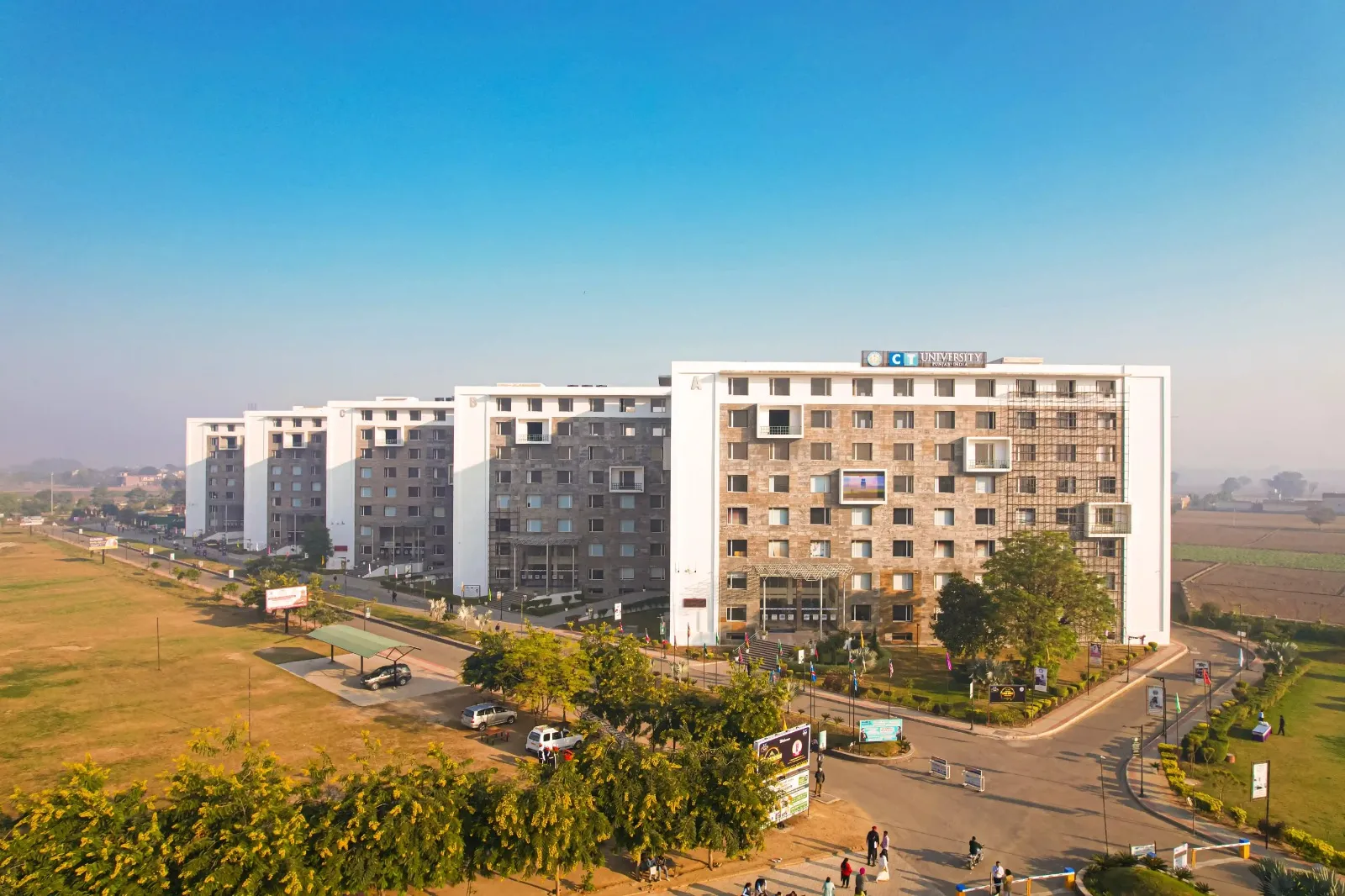
CT University Campus

At CT University, we combine industry-integrated learning and global academic partnerships, backed by the CT Group's 30+ year legacy, to prepare students for careers that actually last.

Industry-oriented
learning

Modern campus
facilities

Academic excellence &
mentorship

Global opportunities &
placements

Fee Structure & Scholarships

Program Fee Details

Fee Type Amount
Programme Fees (per Semester) ₹65000
Examination Fees ₹3000
International Fee (USD) $2800

Merit Based Scholarship Scheme

Unlock up to 90% Scholarship through CTSET, with scholarships worth Rs 40 Crore! Get access to top-quality education at CT University, Ludhiana — without the financial burden.

Slab >=60% - 74.99% >=75% - 89.99% >=90% & Above
Fee ₹60000 ₹55000 ₹50000

Students can avail these slots depending on the marks they have scored. Each slot reflects a different academic range, helping students understand where they stand and what benefits they qualify for.

Course Curriculum

1ST SEMESTER SUBJECTS

Introduces the scope, concepts, principles and applications of clinical psychology in understanding psychological functioning and mental health.
Course Outcome:
CO1: Define the scope, history and core concepts of clinical psychology.
CO2: Explain the major theoretical models used to understand psychological functioning and mental health.
CO3: Distinguish between normal and abnormal psychological functioning using clinical criteria.
CO4: Describe the roles and functions of a clinical psychologist across different settings.
CO5: Apply basic clinical psychology principles to real-life case scenarios.

Introduces fundamental psychological processes including sensation, perception, attention, learning, memory and motivation.
Course Outcome:
CO1: Explain the basic mechanisms of sensation and perception.
CO2: Describe the role of attention in information processing.
CO3: Analyse different theories and types of learning.
CO4: Differentiate between the stages and types of memory.
CO5: Examine the psychological processes underlying motivation.

Examines physical, cognitive, emotional and social development across different stages of the lifespan.
Course Outcome:
CO1: Outline the major physical, cognitive and socio-emotional milestones across the lifespan.
CO2: Compare major theories of human development.
CO3: Analyse the influence of biological and environmental factors on development.
CO4: Assess developmental changes and challenges specific to each life stage.
CO5: Apply developmental psychology concepts to understand real-world behaviour across ages.

Explores the influence of social interactions, attitudes, groups and social contexts on human thoughts, feelings and behaviour.
Course Outcome:
CO1: Explain key concepts and theories in social psychology.
CO2: Analyse how social contexts influence individual attitudes and behaviour.
CO3: Examine group dynamics and their effect on decision-making and behaviour.
CO4: Evaluate the psychological basis of prejudice, conformity and social influence.
CO5: Apply social psychological principles to everyday social interactions.

Provides practical exposure to basic psychological assessment, test administration, scoring and interpretation.
Course Outcome:
CO1: Identify the basic principles and ethics of psychological assessment.
CO2: Administer standard psychological tests under supervision.
CO3: Score psychological tests accurately using standard procedures.
CO4: Interpret test results and prepare basic psychological reports.
CO5: Demonstrate professional and ethical conduct during test administration.

Develops foundational reading, writing and communication skills required for academic and professional contexts.
Course Outcome:
CO1: Demonstrate effective reading comprehension skills for academic texts.
CO2: Apply grammar and vocabulary appropriately in written communication.
CO3: Compose clear, coherent and well-structured academic content.
CO4: Develop oral communication and presentation skills.
CO5: Utilise English language skills effectively in professional contexts.

Introduces the fundamentals of entrepreneurial thinking, innovation and opportunity recognition.
Course Outcome:
CO1: Explain the fundamental concepts of entrepreneurship and innovation.
CO2: Identify entrepreneurial opportunities in various contexts.
CO3: Analyse the traits and mindset required for entrepreneurial success.
CO4: Evaluate the risks and challenges involved in launching a venture.
CO5: Develop a preliminary business idea using entrepreneurial thinking.

Introduces the principles of environmental science and the importance of sustainability and conservation.
Course Outcome:
CO1: Explain the fundamental principles of environmental science.
CO2: Describe the structure and function of ecosystems.
CO3: Analyse the causes and consequences of environmental degradation.
CO4: Evaluate strategies for sustainability and conservation.
CO5: Demonstrate responsible environmental behaviour as an informed citizen.

Introduces principles of nutrition and fitness and their role in maintaining health and sports performance.
Course Outcome:
CO1: Explain the basic principles of nutrition and their role in health.
CO2: Describe the components and benefits of physical fitness.
CO3: Analyse the relationship between diet and sports performance.
CO4: Design a balanced nutrition plan suited to different fitness goals.
CO5: Apply health and nutrition principles to personal lifestyle choices.

Offers students the opportunity to specialise in an area of psychology aligned with their interests.

2ND SEMESTER SUBJECTS

Examines the psychological, biological and social factors underlying addictive behaviours and substance use disorders.
Course Outcome:
CO1: Explain psychological, biological and social determinants of addictive behaviours.
CO2: Analyze major theories of addiction and their clinical applications.
CO3: Evaluate prevention and intervention strategies for substance use disorders.
CO4: Apply psychological principles to case studies of addictive behaviour.
CO5: Demonstrate ethical awareness in addressing addiction in diverse populations.

Builds on foundational concepts to explore advanced psychological processes such as thinking, language, intelligence and emotion.
Course Outcome:
CO1: Describe advanced psychological processes including thinking, language and emotion.
CO2: Analyze the role of intelligence and cognition in human behaviour.
CO3: Apply theoretical concepts to real-life problem-solving situations.
CO4: Evaluate empirical research on cognitive and emotional processes.
CO5: Demonstrate integration of psychological processes in understanding human behaviour.

Explores the biological basis of behaviour, including the structure and function of the nervous system.
Course Outcome:
CO1: Explain the structure and function of the nervous system.
CO2: Analyze the biological basis of behaviour and mental processes.
CO3: Relate physiological mechanisms to psychological phenomena.
CO4: Evaluate research linking brain structures to behaviour.
CO5: Apply physiological psychology concepts to clinical and everyday contexts.

Provides continued practical training in the administration, scoring and interpretation of psychological assessment tools.
Course Outcome:
CO1: Administer psychological assessment tools with accuracy.
CO2: Score and interpret diagnostic results for clinical and educational contexts.
CO3: Demonstrate ethical practice in psychological testing.
CO4: Apply diagnostic tools to case studies and practical scenarios.
CO5: Critically evaluate the reliability and validity of assessment instruments.

Provides supervised field exposure to apply psychological knowledge in real-world settings.
Course Outcome:
CO1: Apply psychological knowledge in supervised field settings.
CO2: Demonstrate professional skills in real-world contexts.
CO3: Reflect critically on experiential learning and practice.
CO4: Integrate theoretical knowledge with practical exposure.
CO5: Exhibit ethical and professional behaviour in applied psychology settings.

Enhances language proficiency and communication skills through advanced reading, writing and comprehension exercises.
Course Outcome:
CO1: Enhance proficiency in advanced reading and writing.
CO2: Apply communication skills in academic and professional contexts.
CO3: Demonstrate improved comprehension and critical analysis.
CO4: Develop effective written and oral presentations.
CO5: Exhibit confidence in academic and workplace communication.

Builds on entrepreneurial concepts with practical exposure to business planning and ideation.
Course Outcome:
CO1: Apply entrepreneurial concepts to business ideation.
CO2: Demonstrate problem-solving and innovation in planning.
CO3: Develop practical exposure to entrepreneurial practices.
CO4: Evaluate feasibility of business ideas through structured analysis.
CO5: Exhibit teamwork and leadership in entrepreneurial projects.

Develops interpersonal and communication competencies essential for professional and clinical settings.
Course Outcome:
CO1: Demonstrate effective interpersonal communication.
CO2: Apply behavioural skills in professional and clinical settings.
CO3: Develop empathy and active listening competencies.
CO4: Exhibit conflict resolution and negotiation skills.
CO5: Reflect on personal communication style for self-improvement.

Introduces the principles of human values, ethics and holistic living for personal and social harmony.
Course Outcome:
CO1: Explain principles of ethics and human values.
CO2: Apply values for personal and social harmony.
CO3: Demonstrate holistic living practices.
CO4: Critically evaluate ethical dilemmas in everyday life.
CO5: Integrate universal values into professional and personal decision-making.

Introduces the fundamentals of immunity and wellness practices and their role in overall health.
Course Outcome:
CO1: Explain fundamentals of immunity and wellness.
CO2: Apply wellness practices for health promotion.
CO3: Demonstrate awareness of lifestyle factors in immunity.
CO4: Evaluate scientific evidence on wellness practices.
CO5: Develop personal strategies for maintaining health and wellbeing.

3RD SEMESTER SUBJECTS

Allows students to pursue specialised study in a chosen area of psychology.
Course Outcome:
CO1: Demonstrate specialized knowledge in a chosen area of psychology.
CO2: Apply theoretical frameworks to practical and applied contexts.
CO3: Critically evaluate contemporary research in the chosen specialization.
CO4: Integrate elective knowledge with core psychological concepts.
CO5: Exhibit professional competence in specialized psychological practice.

Introduces principles of experimental design and research methods used in psychological research.
Course Outcome:
CO1: Explain principles of experimental design in psychology.
CO2: Apply research methods to design and conduct psychological experiments.
CO3: Analyze experimental data using appropriate statistical tools.
CO4: Evaluate ethical considerations in psychological research.
CO5: Demonstrate ability to report and interpret experimental findings.

Examines the psychological impact of cancer diagnosis and treatment on patients and caregivers.
Course Outcome:
CO1: Explain psychological impact of cancer diagnosis and treatment.
CO2: Analyze coping mechanisms of patients and caregivers.
CO3: Apply psychological interventions in oncology settings.
CO4: Evaluate research on psycho-oncology and survivorship.
CO5: Demonstrate empathy and professional skills in supporting cancer patients.

Provides advanced practical training in psychological testing and diagnostic assessment.
Course Outcome:
CO1: Administer advanced psychological tests with precision.
CO2: Score and interpret diagnostic assessments accurately.
CO3: Apply diagnostic tools in clinical and educational contexts.
CO4: Critically evaluate psychometric properties of assessment instruments.
CO5: Demonstrate ethical and professional conduct in psychological testing.

Explores the application of psychological principles within the legal and criminal justice systems.
Course Outcome:
CO1: Explain applications of psychology in legal and criminal justice systems.
CO2: Analyze psychological factors influencing criminal behaviour.
CO3: Apply forensic psychological principles in case studies.
CO4: Evaluate ethical and professional issues in forensic practice.
CO5: Demonstrate understanding of psychological assessment in forensic contexts.

Furthers proficiency in academic and professional English communication.
Course Outcome:
CO1: Enhance academic and professional English communication.
CO2: Apply advanced writing and comprehension skills in psychology.
CO3: Demonstrate effective oral presentation skills.
CO4: Critically analyze academic texts and literature.
CO5: Exhibit confidence in professional communication contexts.

Builds advanced interpersonal, counselling and communication competencies.
Course Outcome:
CO1: Demonstrate advanced interpersonal communication skills.
CO2: Apply counselling techniques in professional settings.
CO3: Exhibit empathy and active listening in therapeutic contexts.
CO4: Develop conflict resolution and negotiation strategies.
CO5: Reflect on personal growth in communication competencies.

Develops entrepreneurial skills through practical business planning exercises.
Course Outcome:
CO1: Apply entrepreneurial skills in practical business planning.
CO2: Demonstrate creativity and innovation in entrepreneurial ventures.
CO3: Evaluate feasibility of business ideas through structured analysis.
CO4: Exhibit teamwork and leadership in entrepreneurial projects.
CO5: Integrate entrepreneurial mindset into professional development.

Provides essential knowledge and skills for emergency response and basic first aid care.
Course Outcome:
CO1: Demonstrate knowledge of emergency response principles.
CO2: Apply first aid techniques in simulated scenarios.
CO3: Evaluate importance of timely intervention in emergencies.
CO4: Exhibit confidence in handling basic medical emergencies.
CO5: Demonstrate responsibility and ethical conduct in first aid practice.
Departmental Elective

Provides in-depth training in standardised psychological assessment tools and techniques.
Course Outcome:
CO1: Explain principles of standardized psychological assessment.
CO2: Administer and score psychological tests accurately.
CO3: Interpret assessment results for clinical and educational contexts.
CO4: Critically evaluate psychometric properties of tools.
CO5: Demonstrate ethical practice in psychological assessment.

Allows students to pursue an industry-relevant certification aligned with their interests.
Course Outcome:
CO1: Demonstrate industry-relevant knowledge through certification.
CO2: Apply acquired skills in professional contexts.
CO3: Integrate certificate learning with psychological practice.
CO4: Critically evaluate relevance of certification to career goals.
CO5: Exhibit professional competence in applied settings.

4TH SEMESTER SUBJECTS

Allows students to pursue specialised study in an advanced area of psychology.
Course Outcome:
CO1: Demonstrate advanced knowledge in a specialized area of psychology.
CO2: Apply theoretical frameworks to practical and applied contexts.
CO3: Critically evaluate current research in the chosen specialization.
CO4: Integrate elective learning with broader psychological concepts.
CO5: Exhibit professional competence in specialized psychological practice.

Examines the psychological factors influencing health, illness and healthcare behaviour.
Course Outcome:
CO1: Explain psychological factors influencing health and illness.
CO2: Analyze behavioural and cognitive aspects of healthcare practices.
CO3: Apply psychological principles to health promotion and disease prevention.
CO4: Evaluate interventions for lifestyle modification and stress reduction.
CO5: Demonstrate awareness of biopsychosocial models in health contexts.

Explores mental processes such as perception, memory, reasoning and problem-solving.
Course Outcome:
CO1: Explain mental processes such as perception, memory and reasoning.
CO2: Analyze theories of problem-solving and decision-making.
CO3: Apply cognitive psychology concepts to real-world scenarios.
CO4: Evaluate empirical research on cognitive processes.
CO5: Demonstrate integration of cognitive theories in understanding behaviour.

Provides supervised practical exposure to psychological practice during the summer term.
Course Outcome:
CO1: Apply psychological knowledge in supervised practical settings.
CO2: Demonstrate professional skills in applied contexts.
CO3: Reflect critically on experiential learning.
CO4: Integrate theoretical knowledge with practical exposure.
CO5: Exhibit ethical and professional behaviour in psychological practice.

Provides continued hands-on training in psychological testing and assessment interpretation.
Course Outcome:
CO1: Administer psychological tests with accuracy and reliability.
CO2: Score and interpret diagnostic assessments effectively.
CO3: Apply diagnostic tools in clinical and educational contexts.
CO4: Critically evaluate psychometric properties of instruments.
CO5: Demonstrate ethical practice in psychological testing.

Provides supervised clinical exposure within community mental health settings.
Course Outcome:
CO1: Apply psychological knowledge in community mental health settings.
CO2: Demonstrate counselling and intervention skills in diverse populations.
CO3: Evaluate effectiveness of community-based psychological interventions.
CO4: Exhibit professional competence in community practice.
CO5: Reflect critically on experiential learning in community contexts.

Strengthens advanced language and professional communication skills.
Course Outcome:
CO1: Strengthen advanced language proficiency in academic contexts.
CO2: Apply professional communication skills in psychology.
CO3: Demonstrate effective oral and written presentations.
CO4: Critically analyze academic and professional texts.
CO5: Exhibit confidence in workplace communication.

Introduces strategies for managing stress and promoting emotional wellbeing.
Course Outcome:
CO1: Explain theories of stress and emotional wellbeing.
CO2: Apply stress management techniques in personal and professional contexts.
CO3: Evaluate effectiveness of wellness practices.
CO4: Demonstrate awareness of emotional regulation strategies.
CO5: Develop personal plans for emotional wellness.

Continues developing entrepreneurial competencies through applied projects.
Course Outcome:
CO1: Apply entrepreneurial competencies in applied projects.
CO2: Demonstrate creativity and innovation in business ventures.
CO3: Evaluate feasibility of entrepreneurial ideas.
CO4: Exhibit teamwork and leadership in entrepreneurial contexts.
CO5: Integrate entrepreneurial mindset into professional development.

Enables students to learn an additional Indian language through an open online course.
Course Outcome:
CO1: Demonstrate proficiency in an additional Indian language.
CO2: Apply language skills in academic and professional contexts.
CO3: Exhibit cultural awareness through language learning.
CO4: Integrate multilingual skills into communication.
CO5: Reflect on personal growth through language acquisition.
Departmental Elective

Introduces statistical methods and their application in psychological research.
Course Outcome:
CO1: Explain statistical methods used in psychological research.
CO2: Apply statistical techniques to analyze psychological data.
CO3: Interpret statistical results in research contexts.
CO4: Evaluate appropriateness of statistical methods in studies.
CO5: Demonstrate competence in using statistical software for psychology.

Enables students to pursue an additional industry-relevant certification.
Course Outcome:
CO1: Demonstrate industry-relevant knowledge through certification.
CO2: Apply acquired skills in professional contexts.
CO3: Integrate certificate learning with psychological practice.
CO4: Critically evaluate relevance of certification to career goals.
CO5: Exhibit professional competence in applied settings.

5TH SEMESTER SUBJECTS

Allows students to pursue specialised study in a focused area of psychology.
Course Outcome:
CO1: Demonstrate specialized knowledge in a focused area of psychology.
CO2: Apply theoretical frameworks to practical and applied contexts.
CO3: Critically evaluate current research in the chosen specialization.
CO4: Integrate elective learning with broader psychological concepts.
CO5: Exhibit professional competence in specialized psychological practice.

Develops foundational counselling skills, including active listening and therapeutic communication.
Course Outcome:
CO1: Explain foundational counselling theories and approaches.
CO2: Demonstrate active listening and therapeutic communication skills.
CO3: Apply counselling techniques in simulated case scenarios.
CO4: Evaluate ethical considerations in counselling practice.
CO5: Reflect on personal growth in counselling competencies.

Examines the neural basis of cognitive processes such as memory, attention and decision-making.
Course Outcome:
CO1: Explain neural basis of cognitive processes such as memory and attention.
CO2: Analyze brain mechanisms underlying decision-making and problem-solving.
CO3: Apply cognitive neuroscience concepts to clinical and everyday contexts.
CO4: Evaluate empirical research linking brain function to cognition.
CO5: Demonstrate integration of neuroscience and psychology in understanding behaviour.

Provides advanced practical training in administering and interpreting psychological assessments.
Course Outcome:
CO1: Administer advanced psychological tests with precision.
CO2: Score and interpret diagnostic assessments accurately.
CO3: Apply diagnostic tools in clinical and educational contexts.
CO4: Critically evaluate psychometric properties of assessment instruments.
CO5: Demonstrate ethical and professional conduct in psychological testing.

Introduces methods for planning and conducting psychological surveys within community settings.
Course Outcome:
CO1: Explain principles of survey design in community psychology.
CO2: Apply methods for planning and conducting psychological surveys.
CO3: Analyze survey data using appropriate tools.
CO4: Evaluate reliability and validity of survey findings.
CO5: Demonstrate competence in reporting community survey results.

Explores the scientific study of human strengths, wellbeing and flourishing.
Course Outcome:
CO1: Explain theories of human strengths and wellbeing.
CO2: Analyze empirical research on flourishing and resilience.
CO3: Apply positive psychology interventions in personal and professional contexts.
CO4: Evaluate effectiveness of wellbeing practices.
CO5: Demonstrate integration of positive psychology principles in everyday life.

Builds advanced entrepreneurial skills through applied projects and case studies.
Course Outcome:
CO1: Apply advanced entrepreneurial skills in applied projects.
CO2: Demonstrate creativity and innovation in business ventures.
CO3: Evaluate feasibility of entrepreneurial ideas through case studies.
CO4: Exhibit teamwork and leadership in entrepreneurial contexts.
CO5: Integrate entrepreneurial mindset into professional development.

Furthers advanced professional and academic communication skills.
Course Outcome:
CO1: Enhance advanced professional communication skills.
CO2: Apply academic writing techniques in psychology.
CO3: Demonstrate effective oral presentations in professional contexts.
CO4: Critically analyze academic and professional texts.
CO5: Exhibit confidence in workplace and academic communication.

Provides open online learning on strategies for disaster risk reduction and management.
Course Outcome:
CO1: Explain principles of disaster risk reduction.
CO2: Apply strategies for managing disaster risks.
CO3: Evaluate effectiveness of disaster management practices.
CO4: Demonstrate awareness of ethical and social responsibilities in disaster contexts.
CO5: Develop personal and community strategies for disaster preparedness.
Optional (Open Elective Basket)

Examines the relationship between brain function and behaviour in clinical contexts.
Course Outcome:
CO1: Explain relationship between brain function and behaviour.
CO2: Analyze neuropsychological disorders and their impact.
CO3: Apply neuropsychological principles in clinical contexts.
CO4: Evaluate empirical research in neuropsychology.
CO5: Demonstrate competence in neuropsychological assessment.

Enables students to pursue an additional industry-relevant certification.
Course Outcome:
CO1: Demonstrate industry-relevant knowledge through certification.
CO2: Apply acquired skills in professional contexts.
CO3: Integrate certificate learning with psychological practice.
CO4: Critically evaluate relevance of certification to career goals.
CO5: Exhibit professional competence in applied settings.

6TH SEMESTER SUBJECTS

Allows students to pursue specialised study in an applied area of psychology.
Course Outcome:
CO1: Demonstrate specialized knowledge in an applied area of psychology.
CO2: Apply theoretical frameworks to practical and professional contexts.
CO3: Critically evaluate current research in the chosen specialization.
CO4: Integrate elective learning with broader psychological concepts.
CO5: Exhibit professional competence in applied psychological practice.

Examines the classification, symptoms and causes of major psychological disorders.
Course Outcome:
CO1: Explain classification systems for major psychological disorders.
CO2: Analyze symptoms and causes of psychological disorders.
CO3: Apply diagnostic criteria to case studies.
CO4: Evaluate treatment approaches for different disorders.
CO5: Demonstrate awareness of ethical issues in diagnosis and treatment.

Explores human behaviour and psychological processes in online and digital environments.
Course Outcome:
CO1: Explain psychological processes in online and digital environments.
CO2: Analyze impact of digital behaviour on mental health.
CO3: Apply cyber psychology principles to case studies.
CO4: Evaluate research on digital addiction and online identity.
CO5: Demonstrate awareness of ethical issues in cyber psychology.

Provides supervised field exposure in applied psychological settings.
Course Outcome:
CO1: Apply psychological knowledge in supervised applied settings.
CO2: Demonstrate professional skills in real-world contexts.
CO3: Reflect critically on experiential learning.
CO4: Integrate theoretical knowledge with practical exposure.
CO5: Exhibit ethical and professional behaviour in applied psychology.

Provides continued hands-on training in psychological assessment and interpretation.
Course Outcome:
CO1: Administer psychological tests with accuracy and reliability.
CO2: Score and interpret diagnostic assessments effectively.
CO3: Apply diagnostic tools in clinical and educational contexts.
CO4: Critically evaluate psychometric properties of instruments.
CO5: Demonstrate ethical practice in psychological testing.

Consolidates advanced language and professional communication competencies.
Course Outcome:
CO1: Consolidate advanced language proficiency in academic contexts.
CO2: Apply professional communication skills in psychology.
CO3: Demonstrate effective oral and written presentations.
CO4: Critically analyze academic and professional texts.
CO5: Exhibit confidence in workplace communication.

Guides students in compiling and reporting findings from community-based psychological surveys.
Course Outcome:
CO1: Compile findings from community-based psychological surveys.
CO2: Analyze survey data using appropriate tools.
CO3: Evaluate reliability and validity of survey findings.
CO4: Demonstrate competence in reporting survey results.
CO5: Reflect critically on community-based research experiences.

Consolidates entrepreneurial skills through an applied, capstone-style project.
Course Outcome:
CO1: Apply entrepreneurial skills in capstone-style projects.
CO2: Demonstrate creativity and innovation in business ventures.
CO3: Evaluate feasibility of entrepreneurial ideas.
CO4: Exhibit teamwork and leadership in entrepreneurial contexts.
CO5: Integrate entrepreneurial mindset into professional development.

Enables students to build workplace-readiness and professional skills through an open online course.
Course Outcome:
CO1: Demonstrate workplace-readiness skills through online learning.
CO2: Apply professional skills in simulated contexts.
CO3: Integrate MOOC learning with career development.
CO4: Critically evaluate relevance of professional skills to career goals.
CO5: Exhibit competence in workplace communication and collaboration.
Optional (Non-Credit Course)

Examines psychological processes within community contexts and social interventions.
Course Outcome:
CO1: Explain psychological processes within community contexts.
CO2: Analyze social interventions for community wellbeing.
CO3: Apply community psychology principles to case studies.
CO4: Evaluate effectiveness of community-based interventions.
CO5: Demonstrate ethical awareness in community psychology practice.

Enables students to pursue an additional industry-relevant certification.
Course Outcome:
CO1: Demonstrate industry-relevant knowledge through certification.
CO2: Apply acquired skills in professional contexts.
CO3: Integrate certificate learning with psychological practice.
CO4: Critically evaluate relevance of certification to career goals.
CO5: Exhibit professional competence in applied settings.

7TH SEMESTER SUBJECTS

Allows students to pursue specialised study in an advanced clinical area of psychology.
Course Outcome:
CO1: Demonstrate advanced knowledge in a clinical specialization of psychology.
CO2: Apply theoretical frameworks to specialized therapeutic contexts.
CO3: Critically evaluate current research in the chosen clinical area.
CO4: Integrate elective learning with broader psychological practice.
CO5: Exhibit professional competence in advanced clinical psychology.

Introduces major psychotherapeutic approaches and their application in clinical practice.
Course Outcome:
CO1: Explain major psychotherapeutic approaches and their theoretical foundations.
CO2: Demonstrate basic skills in applying psychotherapeutic techniques.
CO3: Analyze case studies using appropriate therapeutic models.
CO4: Evaluate effectiveness of psychotherapeutic interventions.
CO5: Exhibit ethical awareness in psychotherapy practice.

Examines psychological changes and mental health concerns associated with ageing.
Course Outcome:
CO1: Explain psychological changes associated with ageing.
CO2: Analyze mental health concerns in older adults.
CO3: Apply psychological principles to support geriatric populations.
CO4: Evaluate interventions for promoting wellbeing in ageing.
CO5: Demonstrate empathy and professional competence in geriatric care.

Introduces therapeutic techniques using play and art for psychological intervention.
Course Outcome:
CO1: Explain theoretical foundations of play and art therapy.
CO2: Demonstrate skills in using play and art for psychological intervention.
CO3: Apply therapeutic techniques in simulated case scenarios.
CO4: Evaluate effectiveness of creative therapies in diverse populations.
CO5: Exhibit ethical and professional conduct in therapeutic practice.

Provides advanced practical training in comprehensive psychological assessment.
Course Outcome:
CO1: Administer comprehensive psychological assessments with accuracy.
CO2: Score and interpret diagnostic results effectively.
CO3: Apply diagnostic tools in clinical and forensic contexts.
CO4: Critically evaluate psychometric properties of instruments.
CO5: Demonstrate ethical practice in advanced psychological testing.

Introduces research design, methodology and ethical considerations in psychological research.
Course Outcome:
CO1: Explain principles of research design and methodology.
CO2: Apply appropriate methods in psychological research.
CO3: Analyze data using statistical and qualitative techniques.
CO4: Evaluate ethical considerations in psychological research.
CO5: Demonstrate competence in reporting and presenting research findings.

Builds advanced entrepreneurial capabilities through applied ventures.
Course Outcome:
CO1: Apply advanced entrepreneurial skills in applied ventures.
CO2: Demonstrate creativity and innovation in business contexts.
CO3: Evaluate feasibility of entrepreneurial ideas through structured analysis.
CO4: Exhibit teamwork and leadership in entrepreneurial projects.
CO5: Integrate entrepreneurial mindset into professional development.

Guides students in designing and initiating an independent research project.
Course Outcome:
CO1: Design an independent research project in psychology.
CO2: Apply research methodology to project development.
CO3: Analyze data and interpret findings effectively.
CO4: Demonstrate competence in project documentation and reporting.
CO5: Exhibit ethical and professional conduct in research practice.

Develops professional skills for career readiness and workplace success.
Course Outcome:
CO1: Demonstrate workplace-readiness skills for career success.
CO2: Apply professional skills in simulated contexts.
CO3: Integrate professional development learning with career planning.
CO4: Critically evaluate relevance of skills to career goals.
CO5: Exhibit competence in workplace communication and collaboration.
Optional (Non-Credit Course)

Examines psychological approaches to supporting individuals with disabilities and chronic illness.
Course Outcome:
CO1: Explain psychological approaches to supporting individuals with disabilities.
CO2: Analyze challenges faced by individuals with chronic illness.
CO3: Apply rehabilitation psychology principles in case studies.
CO4: Evaluate effectiveness of rehabilitation interventions.
CO5: Demonstrate empathy and ethical awareness in rehabilitation practice.

Enables students to pursue an additional industry-relevant certification.
Course Outcome:
CO1: Demonstrate industry-relevant knowledge through certification.
CO2: Apply acquired skills in professional contexts.
CO3: Integrate certificate learning with psychological practice.
CO4: Critically evaluate relevance of certification to career goals.
CO5: Exhibit professional competence in applied settings.

8TH SEMESTER SUBJECTS

Guides students in completing and presenting their independent research project.
Course Outcome:
CO1: Design and execute an independent research project in psychology.
CO2: Apply appropriate research methodology and data analysis techniques.
CO3: Interpret findings and draw evidence-based conclusions.
CO4: Demonstrate competence in preparing and presenting a comprehensive research report.
CO5: Exhibit ethical and professional conduct throughout the research process.

Provides a culminating, supervised professional experience in applied psychological practice.
Course Outcome:
CO1: Apply psychological knowledge in supervised professional settings.
CO2: Demonstrate advanced skills in applied psychological practice.
CO3: Reflect critically on experiential learning and professional growth.
CO4: Integrate theoretical knowledge with practical exposure in diverse contexts.
CO5: Exhibit ethical and professional behaviour in real-world psychological practice.

Labs and Facilities

Yoga Lab

Yoga Lab

Explore More
01
Journalism Studio

Journalism Studio

Explore More
02
Maharaja Ranjit Singh Museum of History, Culture, and Archaeology

Maharaja Ranjit Singh Museum of History, Culture, and Archaeology

Explore More
03

Backed by the Legacy of CT Group, Driven by Proven Success

30000+

Placements

800+

Collaborations

1.2Cr

Highest Placement

1800+

Recruiters

1 Lac+

Alumni

40Cr

WORTH SCHOLARSHIP

Hear From Our Students

"

My journey from being a psychology student to becoming a Counselor with Doctors Without Borders has been both challenging and deeply rewarding. During my academic years, I built a strong foundation in psychology, developing skills in empathy, communication, and problem-solving that prepared me to work in real-world mental health settings.

"

My academic journey at CT University has been both inspiring and transformative. I began with my Bachelor’s degree in Psychology, where I built a strong foundation of knowledge and critical thinking. I then pursued my Master’s degree in Psychology, which deepened my understanding, enhanced my research skills, and gave me the opportunity to actively engage in academic projects, seminars, and collaborative initiatives.

"

My academic journey at CT University from 2021 to 2023 has been an incredibly enriching experience, filled with growth, learning, and inspiration. I am deeply grateful for the guidance and support I received from my mentors, which shaped both my academic and personal development.

"

As an alumna of the BA (Hons.) Psychology program at CT University, my academic journey has been truly transformative. The curriculum was practical, research-driven, and holistic, helping me gain not just strong subject knowledge but also the confidence and real-world skills to excel in my career.

"

It has been a blessing to learn from the qualified and dedicated faculty of our department who take extra pains to impart right skills and knowledge to all the students.

"

It has been a great experience of learning in CTU.CT University is an ideal place for students to realize his/her goals. School of humanities and Physical education has all the required infrastructure to enrich the facilities that grow the students.