Apply Now Programmes Virtual Tour CT-SET 2026 Ph.D
Admissions
Open 2026-27
Apply now
Apply Now
Home  /  Programmes  /  Certificate Course in Hotel Management

Certificate Course in Hotel Management

Duration: 1 Years Category: Certificate Programs

Programme Details

About the Programme

Certificate Course in Hotel Management is a one-year program which aims to provide students with a basic understanding and practical skills necessary for a career in the hospitality industry. This program is designed to develop a basic level of understanding about operations and management of hotel businesses through inculcating teamwork, interpersonal skills, strategic thinking and managerial skills among students enabling them to make a career in hospitality industry.
Eligibility Criteria

10+2 or equivalent in any stream with English as a compulsory subject from a recognized board/University and having atleast 45% marks

Candidates with 10+2 certification from Hunar Sikhiya School (HSS) are also eligible.

Register Now

Why Choose CT University

Why CT University is the Right Choice for Your Future

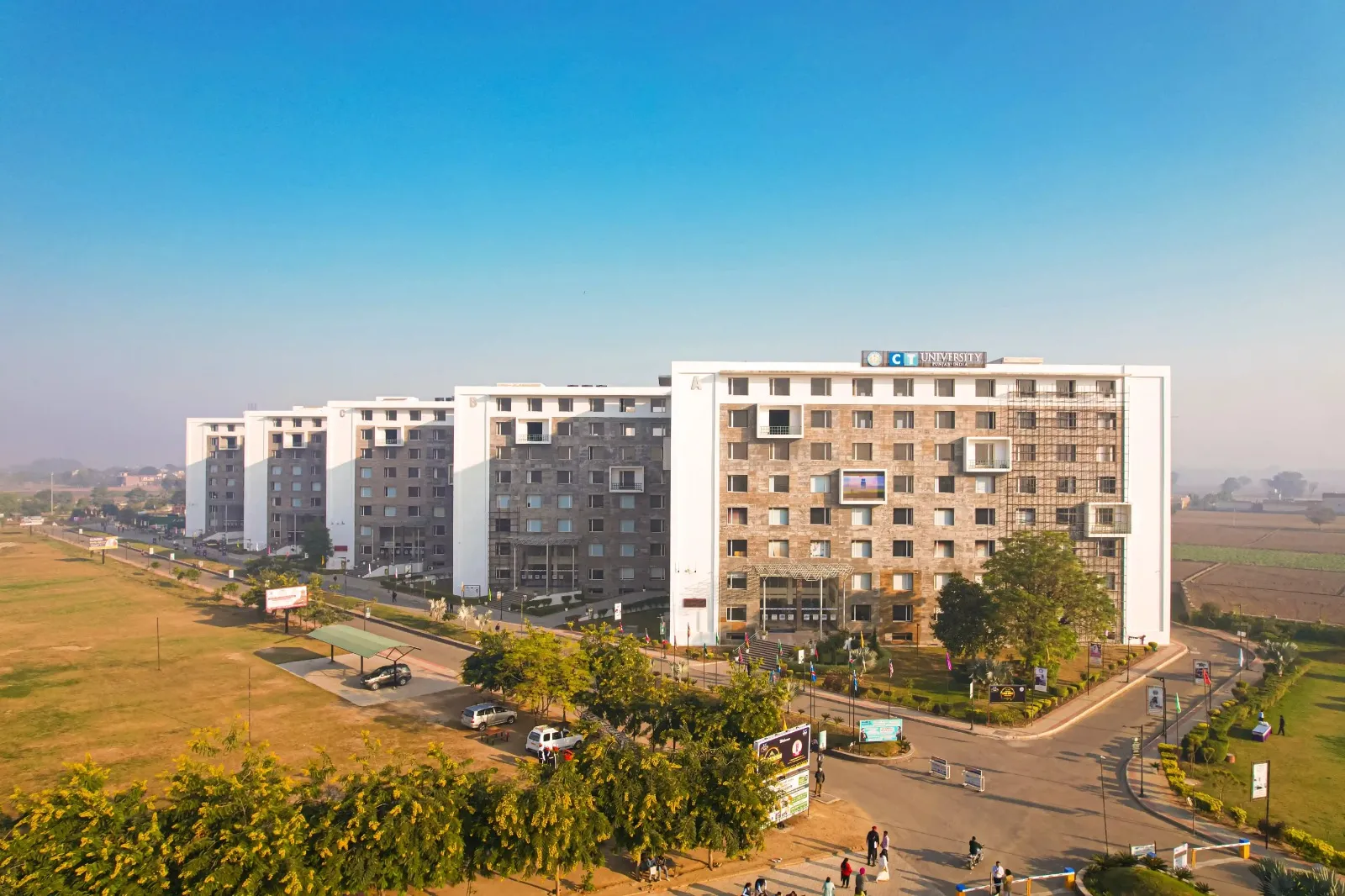
CT University Campus

At CT University, we combine industry-integrated learning and global academic partnerships, backed by the CT Group's 30+ year legacy, to prepare students for careers that actually last.

Industry-oriented
learning

Modern campus
facilities

Academic excellence &
mentorship

Global opportunities &
placements

Fee Structure & Scholarships

Program Fee Details

Fee Type Amount
Programme Fees (per Semester) ₹65000
Examination Fees ₹3000

Merit Based Scholarship Scheme

Unlock up to 90% Scholarship through CTSET, with scholarships worth Rs 40 Crore! Get access to top-quality education at CT University, Ludhiana — without the financial burden.

Slab >=60% - 74.99% >=75% - 89.99% >=90% & Above
Fee ₹60000 ₹55000 ₹50000

Students can avail these slots depending on the marks they have scored. Each slot reflects a different academic range, helping students understand where they stand and what benefits they qualify for.

Course Curriculum

1ST SEMESTER SUBJECTS

Introduces students to the basic principles, organization, equipment, tools and operations of a professional kitchen.
Course Outcome:
CO1: Demonstrate understanding of professional kitchen setup, hygiene practices and equipment handling.
CO2: Apply knowledge of fuel types, fire safety procedures and basic first aid in a kitchen environment.
CO3: Identify, select and store various cooking commodities used in food preparation.
CO4: Execute different methods of cooking using appropriate tools and technologies, adhering to safety standards.
CO5: Prepare and classify basic stocks and salads with proper techniques and presentation.
CO6: Prepare, classify and evaluate soups and sauces, including mother sauces and their derivatives

Provides practical exposure to basic kitchen operations, tools, equipment, mise en place and fundamental cooking techniques.
Course Outcome:
CO1: Handle Knives and other equipment
CO2: Identify various cuts of vegetables
CO3: Recognize the various cooking methods
CO4: Prepare basic stocks, soups and salads
CO5: Identify the basic ingredients of mother sauces and able to prepare mother sauces

Introduces the principles, organization, functions and operations of food and beverage service departments.
Course Outcome:
CO1: Explain the structure and roles in food and beverage service operations.
CO2: Identify and handle various F&B service equipment and prepare for service.
CO3: Demonstrate different service styles, techniques and table settings.
CO4: Classify beverages and apply appropriate service methods.
CO5: Interpret menu types and apply effective sales techniques in F&B service.
CO6: Understand hospitality sectors, management roles and guest service strategies.

Develops practical skills in basic food and beverage service operations and table preparation.
Course Outcome:
CO1: Demonstrate grooming standards, professional behavior and workplace readiness.
CO2: Perform mise-en-place, table setup and basic service operations efficiently.
CO3: Identify and apply menu components with appropriate cover layouts and accompaniments.
CO4: Handle guest interactions using effective communication, complaint resolution and service etiquette.
CO5: Apply soft skills and service techniques to deliver a complete guest service experience

Introduces the fundamental functions and operations of front office and accommodation departments.
Course Outcome:
CO1: Describe the history and classification of the hospitality industry.
CO2: Illustrate hotel structure and describe guest room types.
CO3: Explain the functions and roles in the front office.
CO4: Describe bell desk functions and records.
CO5: Explain the importance and structure of housekeeping.
CO6: Create job descriptions and explain staff attributes.

Provides practical training in front office and accommodation operations through demonstrations and simulations.
Course Outcome:
CO1: Demonstrate personal hygiene, grooming standards and professional appearance for hospitality roles.
CO2: Apply knowledge of hotel classification, guestroom amenities and basic front office and housekeeping procedures through practical tasks.
CO3: Identify and describe front office and housekeeping job roles, organizational structure and service areas.
CO4: Operate standard front office equipment and perform coordination tasks between key hotel departments.
CO5: Using front office protocols, simulating guest service procedures such as reservations, check-ins and room assignment.

Develops knowledge and skills related to safe food handling, personal hygiene, sanitation and food safety practices.
Course Outcome:
CO1: Apply principles of food hygiene and personal sanitation.
CO2: Demonstrate institutional sanitation and pest control practices.
CO3: Explain water purification and waste disposal methods.
CO4: Evaluate food packaging types and interpret labeling norms.
CO5: Detect food adulterants and understand Indian food laws.
CO6: Identify types and causes of food spoilage and contamination

Develops students' basic English language and communication skills required for academic and professional environments.
Course Outcome:
CO1: Use standard English aptly in listening, speaking and communicative situations
CO2: Write error-free sentences and short texts in English Language
CO3: Comprehend reading passages effectively
CO4: Demonstrate use of apt and relevant vocabulary at lower intermediate to intermediate level
CO5: Develop effective oral presentation skills, including audience analysis and body language
CO6: Apply audio-visual aids to enhance communication and improve pronunciation

Introduces the fundamental concepts of entrepreneurship, innovation, creativity and opportunity recognition.

Introduces the principles of physical fitness, healthy lifestyles, wellness and sports nutrition.
Course Outcome:
CO1: Understand the concept of health, hygiene & sanitation.
CO2: Apply the food hygiene practices for promoting health
CO3: Assess the impact of different nutrients on sports performance
CO4: Synthesize the importance of antioxidants in exercise and sports performance.
CO5: Analyze the impact of nutrition on strength training and vegetarian athletes

Introduces fundamental human values, ethical principles, self-awareness and responsible behaviour in personal and professional life.
Course Outcome:
CO1: Define and identify core universal human values and relate them to their own lives.
CO2: Demonstrate self-awareness and initiate personal transformation (Human Revolution
CO3: Appreciate the importance of Sewa (selfless service), compassion and empathy.
CO4: Apply principles of truth, non-violence and moral responsibility in real-life dilemmas.
CO5: Evaluate ethical decisions involving sacrifice and righteousness through case studies.
CO6: Reflect on the relevance of renunciation and simplicity in modern life for inner peace

2ND SEMESTER SUBJECTS

Builds upon fundamental kitchen knowledge by introducing advanced cooking methods, food preparation techniques, menu planning and kitchen operations.
Course Outcome:
CO1: Identify types of vegetables, their cuts, cooking effects and nutritional aspects.
CO2: Classify and handle eggs and prepare basic breakfast dishes using eggs.
CO3: Recognize types and cuts of poultry and game with basic Indian preparations.
CO4: Understand characteristics, cuts and storage practices of meat.
CO5: Identify fish types, cuts, cooking methods and freshness indicators.
CO6: Demonstrate knowledge of basic bakery ingredients, tools and hygiene standards

Provides practical training in advanced food preparation, cooking techniques, presentation and kitchen production procedures.
Course Outcome:
CO1: Prepare boiled rice, pulao and simple cereal-based dishes.
CO2: Cook a variety of poultry, fish and meat-based continental dishes.
CO3: Execute Indian breakfast items using standard methods.
CO4: Prepare and present baked, sautéed and roasted vegetable dishes.
CO5: Identify and cut poultry, meat and fish for basic preparations.

Extends knowledge of food and beverage service through advanced service methods, menu knowledge, meal types and beverage operations.
Course Outcome:
CO1: Explain room service procedures and forms used in operations.
CO2: Identify and describe different meals and classical French menu courses.
CO3: Distinguish types of tobacco and their handling in hospitality.
CO4: Apply technology and sustainable practices in F&B services.
CO5: Describe beer types, production and key global brands.
CO6: Classify wines, explain their production and identify key wine regions

Develops practical competence in advanced food and beverage service techniques through hands-on training and simulated service situations.
Course Outcome:
CO1: Demonstrate fine dining and breakfast service techniques with attention to detail.
CO2: Apply specialty service styles and manage room service setups effectively.
CO3: Execute professional wine and beer service procedures with confidence.
CO4: Communicate effectively with guests and manage service-related conflicts.
CO5: Design and engineer menus for profitability and guest satisfaction.
CO6: Operate F&B technologies including POS systems and online platforms.

Builds on basic front office and accommodation operations by covering advanced reservations, guest services, billing, check-out, room management and interdepartmental coordination.
Course Outcome:
CO1: Identify and use cleaning agents and equipment correctly.
CO2: Apply cleaning methods and housekeeping routines effectively.
CO3: Manage front desk operations and the guest cycle.
CO4: Operate the housekeeping control desk efficiently.
CO5: Handle various types of room reservations accurately.
CO6: Perform guest room and bathroom cleaning to set standards

Provides practical exposure to front office and accommodation procedures through role plays, simulations and operational exercises.
Course Outcome:
CO1: Understand and apply correct usage of cleaning tools, equipment and chemical agents.
CO2: Execute appropriate cleaning methods for different surfaces while maintaining hygiene standards.
CO3: Follow standard housekeeping operations such as team briefings, lost and found procedures and daily routines.
CO4: Operate the housekeeping control desk, ensuring accurate key management and record-keeping.
CO5: Handle guest arrivals, reservations and luggage services with efficiency and courtesy.
CO6: Perform check-in and check-out processes correctly, including handling currency and time zone considerations.

Enhances students' communication skills through advanced practice in speaking, listening, reading and writing.
Course Outcome:
CO1: Apply effective grammatical structures in English Language for speaking and writing
CO2: Utilize effective note-making techniques in English Language
CO3: Effectively summarize and paraphrase texts in English Language
CO4: Demonstrate use of apt and relevant vocabulary at intermediate to upper-intermediate level
CO5: Employ cohesive and coherent discourse in English communication
CO6: Produce well-organized written and spoken texts in English Language

Introduces students to environmental concepts, natural resources, ecosystems, biodiversity, pollution and sustainable development.
Course Outcome:
CO1: Analyse the impact of Biodiversity conservation on species and the environment.
CO2: Apply knowledge of environmental policies and legislations to evaluate and propose solutions for local and global environmental issues.
CO3: Implement environmental management plans to address campus environmental issues such as Waste disposal, water management and sanitation.
CO4: Students will gain knowledge of the structure and function of ecosystems, biodiversity and the importance of natural resources.
CO5: Recognize the interdependence between humans and the environment.

Develops essential employability and workplace skills required for successful professional performance.
Course Outcome:
CO1: Prepare their résumé on an appropriate template without any grammatical and other errors, using proper syntax
CO2: Participate in a simulated interview
CO3: Actively participate in group discussions towards gainful employment
CO4: Capture a self-interview simulation video regarding the concerned job or role

Introduces the concepts, importance and legal framework of intellectual property rights, including patents, trademarks, copyrights and designs.
Course Outcome:
CO1: To know International and domestic trends in intellectual property.
CO2: To introduce students to basic concepts of copyrights, patents, Trademarks, geographical indications, trade secrets and designs.
CO3: To learn all intellectual property related legislations developed in India.
CO4: To familiarize students with rights, registration and remedies associated with each regime

Builds upon entrepreneurial concepts by focusing on opportunity development, business planning, innovation and entrepreneurial decision-making.

Program Outcomes & Features

Program Outcomes

  • Understand and apply the principles of hotel management and hospitality services.
  • Perform front office, housekeeping and food & beverage operations efficiently.
  • Demonstrate effective communication and interpersonal skills in hospitality settings.
  • Maintain hygiene, safety and quality standards in hotel operations.

Salient Features

  • To learn basic skills in hotel operations.
  • To develop customer-centric communication and interpersonal skills
  • To follow hygiene and safety standards.
  • To work professionally and collaboratively in teams.
  • To prepare students for entry-level positions in the hospitality industry

Labs and Facilities

Advanced Training Restaurant

Advanced Training Restaurant

Explore More
01
Airlines Lab

Airlines Lab

Explore More
02
Basic Training Restaurant

Basic Training Restaurant

Explore More
03
Front Office Lab

Front Office Lab

Explore More
04
Housekeeping Lab

Housekeeping Lab

Explore More
05
Model Guest Room

Model Guest Room

Explore More
06
Quantity Kitchen

Quantity Kitchen

Explore More
07

Backed by the Legacy of CT Group, Driven by Proven Success

30000+

Placements

800+

Collaborations

1.2Cr

Highest Placement

1800+

Recruiters

1 Lac+

Alumni

40Cr

WORTH SCHOLARSHIP

Hear From Our Students

"

Studying B.com in the School of Management Studies at CTU has been a delightful journey. The knowledgeable faculty and engaging coursework have not only deepened my understanding of commerce but also sparked a passion for it. With a perfect blend of academics and extracurricular activities, CTU has been the perfect launchpad for my future endeavors after gaining quality education and great leadership skills and exposure from industrial visits.

"

"CT University stands out for its student-centric approach. The B.Sc. Radiology program is designed to meet industry standards, and the professors are always approachable and ready to assist. The emphasis on practical learning and internships has given me confidence and clarity in my chosen field. I highly recommend this course to anyone interested in a career in radiology."

"

Studying at CT University was an enriching experience, thanks to access to advanced technology and learning resources. The state-of-the-art operation theatre labs, anesthesia workstations, and simulation-based training ensured we were always prepared for both theoretical and practical aspects of our studies.