Apply Now Programmes Virtual Tour CT-SET 2026 Ph.D
Admissions
Open 2026-27
Apply now
Apply Now
Home  /  Programmes  /  Masters of Pharmacy (Pharmaceutical Chemistry)

Masters of Pharmacy (Pharmaceutical Chemistry)

Duration: 2 Years Category: Postgraduate Programs

Programme Details

About the Programme

M.Pharm is a specialized program that offers advanced knowledge in various branches of pharmaceutical sciences. The program includes intensive research, project work and skill development to prepare students for high-level positions in research, academia and industry.

Industry Immersion

  • Research collaborations with pharmaceutical companies.
  • Laboratory-based experiments and projects.
  • Internship opportunities in research institutions.

Eligibility Criteria

1. B. Pharm Degree examination of an Indian university established by law in India from an institution approved by Pharmacy Council of India and has scored not less than 55 % of the maximum marks (aggregate of 4 years of B.Pharm). 
2. For candidates having not less than 5 years professional experience, after passing B. Pharm course, there shall be a relaxation in pass percentage from 55% to 50% for admission to M.Pharm programme

Register Now

Why Choose CT University

Why CT University is the Right Choice for Your Future

CT University Campus

At CT University, we combine industry-integrated learning and global academic partnerships, backed by the CT Group's 30+ year legacy, to prepare students for careers that actually last.

Industry-oriented
learning

Modern campus
facilities

Academic excellence &
mentorship

Global opportunities &
placements

Fee Structure & Scholarships

Program Fee Details

Fee Type Amount
Programme Fees (per Semester) ₹83000
Examination Fees ₹3000
International Fee (USD) $4400

Merit Based Scholarship Scheme

Unlock up to 90% Scholarship through CTSET, with scholarships worth Rs 40 Crore! Get access to top-quality education at CT University, Ludhiana — without the financial burden.

Slab >=60% - 74.99% >=75% - 89.99% >=90% & Above
Fee ₹65000 ₹60000 ₹55000

Students can avail these slots depending on the marks they have scored. Each slot reflects a different academic range, helping students understand where they stand and what benefits they qualify for.

Course Curriculum

1ST SEMESTER SUBJECTS

Covers advanced analytical techniques used for the identification, characterization, purity assessment, and quantitative analysis of pharmaceutical substances. Emphasis is placed on chromatographic, spectroscopic, thermal, and electroanalytical methods.
Course Outcome:
CO1: Understand and apply the principles, instrumentation, and applications of UV-Visible, IR, and fluorescence spectroscopy for qualitative and quantitative analysis of pharmaceutical compounds.
CO2: Interpret Nuclear Magnetic Resonance (NMR) spectra, including chemical shifts and coupling constants, for structural elucidation of drugs and related molecules.
CO3: Utilize mass spectrometry techniques and chromatographic methods (TLC, HPTLC, HPLC, GC, etc.) for drug identification, quantification, and purity assessment.
CO4: Apply electrophoretic methods and X-ray crystallography for the separation and structural analysis of biomolecules and pharmaceutical substances.
CO5: Employ potentiometric and thermal analytical techniques (DSC, DTA, TGA) to characterize pharmaceutical materials and assess stability and thermal behaviour.

Provides advanced knowledge of organic reaction mechanisms, stereochemistry, reaction intermediates, and synthetic methodologies. Focuses on the application of modern organic chemistry principles in pharmaceutical synthesis.
Course Outcome:
CO1: Understand the formation, stability, and synthetic applications of key organic intermediates such as carbocations, carbanions, free radicals, carbenes, and nitrenes.
CO2: Analyze and differentiate various reaction mechanisms including nucleophilic substitution (SN1, SN2), elimination (E1, E2), and rearrangement reactions, and predict their relative reactivity and orientation.
CO3: Describe the mechanism and synthetic utility of important named reactions such as Ugi, Ullmann coupling, Mannich, Sharpless epoxidation, and Michael addition, among others.
CO4: Apply knowledge of synthetic reagents and protecting groups for functional group transformations and protection strategies in multi-step organic synthesis.
CO5: Utilize retrosynthetic analysis and synthon approach to design synthetic routes for complex organic molecules, including heterocyclic compounds and pharmaceutically relevant drugs.

Deals with principles of drug design, structure–activity relationships, physicochemical properties, and molecular modification of bioactive compounds. Emphasis is given to rational approaches for developing safer and more effective therapeutic agents.
Course Outcome:
CO1: Explain the stages of drug discovery including lead identification, validation, and classification of biological drug targets such as receptors and artificial enzymes.
CO2: Understand the principles of prodrug and analog design to improve drug solubility, absorption, distribution, site-specific delivery, and strategies to overcome drug resistance.
CO3: Analyze the medicinal chemistry, structure-activity relationships (SAR), mechanisms of action, and synthesis of various therapeutic drug classes such as antihypertensives, psychoactive agents, and anticancer drugs.
CO4: Apply enzyme kinetics principles to rationally design enzyme inhibitors for therapeutic and research purposes.
CO5: Comprehend the design and therapeutic importance of peptidomimetics and bioactive lipids like prostaglandins, leukotrienes, and thromboxanes.
CO5: Apply concept of drug designing.

Covers the chemistry, isolation, identification, structural elucidation, and biosynthesis of important natural products. Emphasis is placed on pharmacologically significant compounds such as alkaloids, terpenoids, flavonoids, and glycosides.
Course Outcome:
CO1: Describe the role of natural products as leads in the discovery of pharmaceuticals, with examples from CNS drugs, anticancer agents, cardiovascular drugs, neuromuscular blockers, antimalarials, and antibiotics.
CO2: Understand the chemistry, classification, isolation, and structural elucidation of major classes of natural compounds such as alkaloids, flavonoids, steroids, terpenoids, and vitamins.
CO3: Explain the application of recombinant DNA technology, hybridoma technology, and gene therapy in modern drug discovery and therapeutics.
CO4: Identify the active constituents in crude drugs used in indigenous systems for treatment of diabetes, liver dysfunction, and cancer.
CO5: Apply spectroscopic techniques (IR, ¹H NMR, ¹³C NMR, MS) for structural characterization of important natural products and drugs.

Provides practical training in pharmaceutical analysis, organic synthesis, isolation, purification, and characterization of pharmaceutical compounds. Students apply analytical and synthetic techniques to solve laboratory-based problems.
Course Outcome:
CO1: Perform purification techniques including solvent purification and column chromatography for organic compounds.
CO2: Carry out key organic reactions of synthetic importance such as Claisen-Schmidt condensation, Benzilic acid rearrangement, Beckmann rearrangement, Hoffmann rearrangement, and Mannich reaction.
CO3: Synthesize medicinally important compounds involving multi-step reactions with purification and characterization.
CO4: Identify and estimate elements and functional groups in organic natural compounds.
CO5: Isolate natural products from plant sources and characterize them using melting point, mixed melting point, molecular weight determination, functional group analysis, TLC, UV and IR spectroscopy.

Develops students’ skills in scientific literature review, critical analysis, scientific writing, and presentation. Students explore current developments and emerging topics in pharmaceutical chemistry.
Course Outcome:
CO1: Critically evaluate current developments and emerging topics in pharmaceutical chemistry through scientific literature review, analysis, scientific writing, and oral presentation.

2ND SEMESTER SUBJECTS

Provides advanced knowledge of spectroscopic techniques used for structural elucidation and characterization of pharmaceutical compounds. Covers interpretation and application of NMR, IR, UV-Visible, mass spectrometry, and related analytical data.
Course Outcome:
CO1: Understand and apply advanced UV and IR spectroscopy concepts including Woodward-Fieser rules for the interpretation of conjugated dienes and α, β-carbonyl compounds.
CO2: Analyze and interpret complex 1D and 2D NMR spectra using techniques such as NOESY, COSY, HECTOR, and INADEQUATE for structural elucidation of organic compounds.
CO3: Comprehend mass spectrometry principles, including fragmentation patterns, McLafferty rearrangement, and isotopic peak analysis for identification of functional groups and molecular structure.
CO4: Gain knowledge of chromatographic techniques including hyphenated methods (GC-MS, LC-MS, LC-NMR, etc.) and their applications in pharmaceutical and organic compound analysis.
CO5: Understand thermal analytical methods (DSC, DTA, TGA), Raman spectroscopy, and radioimmunoassay techniques for qualitative and quantitative analysis in pharmaceutical sciences.

Builds on advanced concepts of organic synthesis, reaction mechanisms, stereoselective reactions, and strategic synthesis. Emphasizes modern synthetic approaches applicable to the preparation of complex pharmaceutical molecules.
Course Outcome:
CO1: Understand the principles of green chemistry and apply microwave, ultrasound, and continuous flow reactor techniques to improve reaction efficiency and sustainability in organic synthesis.
CO2: Comprehend peptide chemistry, including coupling reactions, solid-phase synthesis protocols (t-BOC, FMOC), and strategies to avoid side reactions for efficient peptide production.
CO3: Explain the basic principles and mechanisms of photochemical and pericyclic reactions and their synthetic applications.
CO4: Understand the fundamentals of catalysis including heterogeneous, homogeneous, transition-metal, organo- and biocatalysis, and phase transfer catalysis in drug synthesis.
CO5: Gain knowledge of stereochemistry concepts and apply methods of asymmetric synthesis, including chiral auxiliaries and catalytic asymmetric synthesis, for stereoselective drug design.

Introduces computational approaches used in modern drug discovery and development. Covers molecular modeling, molecular docking, virtual screening, pharmacophore modeling, and structure- and ligand-based drug design.
Course Outcome:
CO1: Understand the principles, history, and techniques of Computer Aided Drug Design (CADD) and the fundamental concepts of Quantitative Structure Activity Relationships (QSAR).
CO2: Apply various QSAR methodologies such as Hansch analysis and Free Wilson analysis, including statistical methods, to analyze and predict biological activity of compounds.
CO3: Gain proficiency in molecular modeling, including quantum mechanics, energy minimization, and molecular docking techniques for drug-receptor interaction studies.
CO4: Develop skills to predict ADMET properties, perform de novo drug design, and utilize homology modeling to generate 3D protein structures for drug discovery.
CO5: Understand pharmacophore mapping, virtual screening, and in silico drug design approaches to identify and optimize potential drug candidates.

Covers the principles involved in the development, optimization, scale-up, and manufacturing of pharmaceutical compounds. Emphasis is placed on process optimization, reaction safety, impurity control, green chemistry, and technology transfer.
Course Outcome:
CO1: Understand the fundamental concepts of process chemistry, including synthetic strategies, scale-up stages, and impurity profiling in API manufacturing.
CO2: Gain knowledge of key unit operations such as extraction, filtration, distillation, evaporation, and crystallization used in pharmaceutical process development.
CO3: Analyze unit processes like nitration, halogenation, oxidation, and reduction including their kinetics, mechanisms, and industrial applications.
CO4: Comprehend fermentation processes for the production of antibiotics, vitamins, and statins along with reaction progress kinetic analysis for process optimization.
CO5: Acquire awareness of industrial safety practices, including handling of hazardous chemicals, fire safety, environmental management systems, and occupational health standards.

Provides hands-on training in advanced pharmaceutical synthesis, analytical characterization, and spectral interpretation. Students develop skills in optimizing experimental procedures and evaluating pharmaceutical compounds.
Course Outcome:
CO1: Develop practical skills in the synthesis of organic compounds using key reactions such as oxidation, reduction, nitration, and hydrogenation.
CO2: Compare and evaluate different synthetic routes for the preparation of APIs and intermediates to understand process optimization.
CO3: Apply spectroscopic techniques including UV, FT-IR, NMR, and Mass Spectroscopy for the characterization and structural elucidation of organic and pharmaceutical compounds.
CO4: Use advanced instrumental methods like DSC to determine purity and thermal properties of pharmaceutical substances.
CO5: Employ computer-aided tools for drug design including calculation of physicochemical properties (log P, MR), ADMET analysis, pharmacophore modeling, QSAR studies, molecular docking, and virtual screening.

Enables students to critically evaluate recent scientific literature and emerging technologies in pharmaceutical chemistry. It develops skills in scientific communication, literature interpretation, and presentation.
Course Outcome:
CO1: Critically evaluate recent scientific literature and emerging technologies in pharmaceutical chemistry and effectively communicate scientific findings through literature interpretation, scientific writing, and oral presentation.

3RD SEMESTER SUBJECTS

Introduces principles of scientific research design, literature review, hypothesis development, data collection, and research ethics. Covers statistical methods for data analysis, interpretation, presentation, and scientific decision-making.
Course Outcome:
CO1 Understand the fundamental principles of research, including types, design, bias elimination, and error control methods.
CO2 Apply biostatistical tools to interpret data, calculate significance, and justify sample size selection.
CO3 Understand the principles of medical ethics, communication in healthcare, and critical thinking on ethical dilemmas.
CO4 Interpret and implement CPCSEA guidelines for animal facility management, including veterinary care and SOP development.
CO5 Analyze and apply the Declaration of Helsinki principles to ensure ethical conduct in human medical research.

Provides a platform for critical evaluation and discussion of recent research articles in pharmaceutical chemistry and related disciplines. Students assess research methodology, results, limitations, and scientific significance.
Course Outcome:
CO1: Critically evaluate and interpret recent research publications by assessing their objectives, methodology, results, statistical analysis, limitations, and scientific significance.

Enables students to formulate and present a research proposal based on a clearly defined scientific problem. Emphasis is placed on scientific rationale, objectives, methodology, expected outcomes, and research feasibility.
Course Outcome:
CO1: Formulate and effectively present a feasible research proposal with appropriate scientific rationale, objectives, methodology, and expected outcomes.

Involves systematic execution of the approved research project under faculty supervision. Students apply appropriate experimental, analytical, and statistical techniques to generate and interpret research data.
Course Outcome:
CO1: Conduct research systematically using appropriate formulation, analytical, experimental, and statistical techniques to generate, analyze, and interpret scientific findings.

4TH SEMESTER SUBJECTS

Focuses on critical appraisal of recent and relevant research publications in pharmaceutical chemistry and allied areas. Students evaluate experimental approaches, scientific findings, and their potential applications.

Course Outcome:
CO1: Critically evaluate and interpret recent scientific research literature using appropriate scientific knowledge, analytical skills, and critical thinking.

Provides opportunities for students to discuss research progress, present scientific findings, and defend their research approach. Emphasis is placed on interpretation of results, scientific reasoning, and effective communication.
Course Outcome:
CO1: Develop and effectively present a research proposal by explaining its objectives, methodology, significance, and expected outcomes.

Involves completion, analysis, interpretation, and documentation of the research project. Students present their research findings through a colloquium and demonstrate their ability to communicate scientific outcomes effectively.
Course Outcome:
CO1: Conduct, analyze, interpret, and effectively communicate research findings through a scientific colloquium and dissertation.

Program Outcomes & Features

Program Outcomes

  • Able to utilize basic knowledge of pharmaceutical sciences associated with the profession of pharmacy, along with understanding of behavioral, social, administrative, good manufacturing practices related to pharmaceuticals.
  • Able to appreciate planning abilities including effective demonstration with context to pharmacodynamics and regulatory aspects of drugs and critical analysis of drug use policy to promote drug discovery, its metabolism and approval for safe use of pharmaceuticals.
  • Able to apply cognitive skills, investigative approach, creative thinking to evaluate and interpret data related to preclinical and clinical testing of pharmaceuticals and drugs, laboratory investigations, pharmaceutical care and practices. 
  • Able to perform and engage professionally and as multidisciplinary team member at different areas of professional practice. Understand and consider motivation issues, leadership and team-building while fulfilment of practice, professional and societal responsibilities.
  • Able to analyze the problem to address issues at professional care practice along with understanding, analysis and communicating the value of their professional roles in society. Apply ethical principles in professional and social contexts. Using ethical frameworks while making decisions and take responsibility for the outcomes associated with the decisions.
  • Able to converse, write, interpret and interact effectively and scientifically for efficient professional practice. Communicate effectively with the pharmacy community and with society at large, make effective documentation contributing in manufacturing, quality control and quality assurance of pharmaceuticals
  • Able to apply knowledge on ethical practices, moral integrity and human values in personal and professional endeavors. Apply reasoning according to the contextual knowledge to assess societal, health, safety and legal issues related to drug discovery and the consequent responsibilities relevant to the professional pharmacy practice.
  • Able to embark upon lifelong professional learning to adapt to ever changing professional and health care scenario with context to clinical research and pharmacovigilance. Able to assimilate modern approaches to quality professional practice in the field of pharmacy.
  • Understand the impact of the professional pharmacy solutions in societal and environmental contexts. 
  • Able to serve society in hospitals and pharmaceutical industry as pharmacologist, comprehending the profound knowledge of advanced pharmacology and biostatical analysis.
  • Able to distinguish professional impact within local, national and global perspectives and can assess societal, health and safety issues contributing in manufacturing, quality control and quality assurance of pharmaceuticals.

Program Specific Outcomes

  • Understanding and applying basic knowledge gained in pharmaceutical analysis, cellular and molecular pharmacology, advanced pharmacology and computer technology in pharmacy profession along with technological innovations in the field of pharmacy.
  • Develop required skills in preclinical testing of drugs and natural biomarkers as well as about their mechanism of action of drugs in human.
  • Significance of communication skills, leadership qualities and other required soft skills for professional achievement.
  • Understanding and communicate ethical values of the research and development related to pharmaceuticals with commitment to societal welfare.
  • Capabilities for value added services and system relating to pharmacology and toxicology of drugs with focus on safe use of pharmaceuticals. 
  • To develop a sense of professional responsibility and be able to master, generate, interpret and disseminate the therapeutic knowledge of pharmaceutical care.
  • Acquire knowledge in the field of synthetic, natural sources of drugs and biological products as well as their formulation and evaluation, including their regulatory requirements.
  • Enable graduate to stream a lifelong career of personal and practicing pharmacy professional with ethical codes and self-esteem.

Salient Features

  • Programme knowledge and its application: To empower graduates with knowledge and practice of pharmaceutical sciences across the discipline through ambience of motivation that could impel excellence and career growth in pharmacy profession related to pre-clinical testing of active pharmaceutical ingredients and natural biomarkers.
  • Professional skills and their application: To enhance practical-based skills to meet professional challenges specifically related to preclinical testing of drugs, pharmaceutical industry and safe use of drugs in hospital pharmacy.
  • Engagement with the needs of society: To foster graduates to leadership and entrepreneurship qualities to serve as qualified personnel in pharmacology research-based work in pharmaceutical industry and health care system.
  • Lifelong learning: To spur graduates in interpersonal skills, to value professional integrity and pharmacy ethics and accustomed to lifelong learning.
  • Social accountability and responsibility: To appreciate local and global needs of health care and pharmacy profession with specific focus towards skills and will to make and serve quality pharmaceuticals. 
  • Pharmacy practice: As a qualified pharmacist, using the fundamentals of pharmaceutical sciences for ethical practice in hospital pharmacy, retail pharmacy, wholesale pharmacy and pharmaceutical industry. 

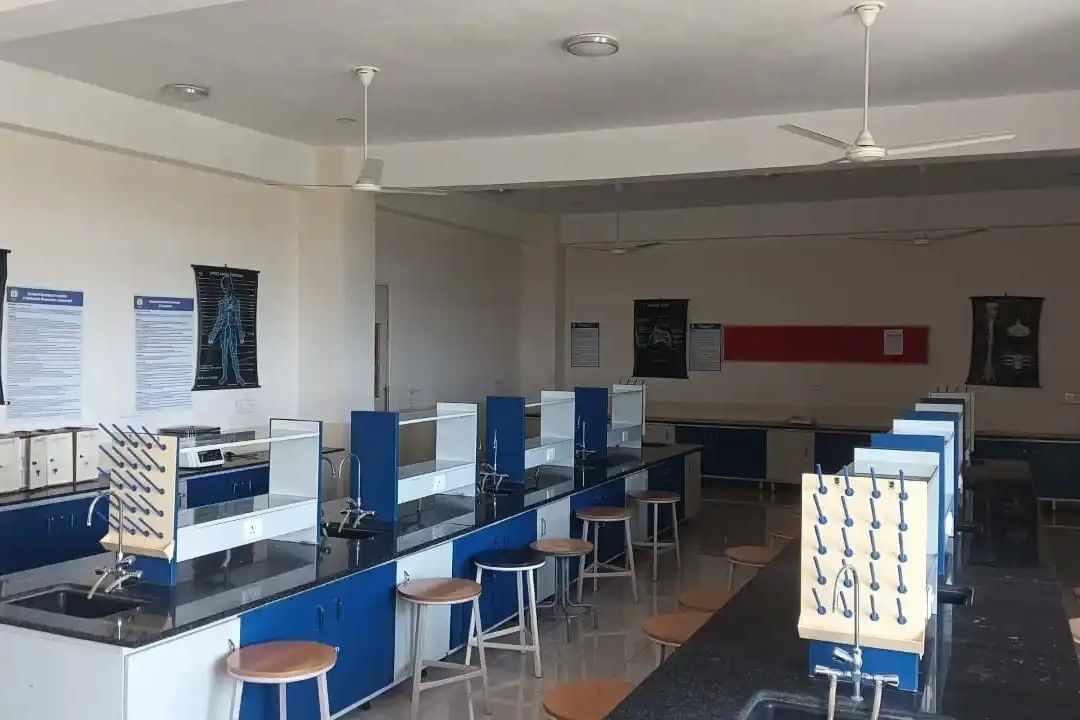
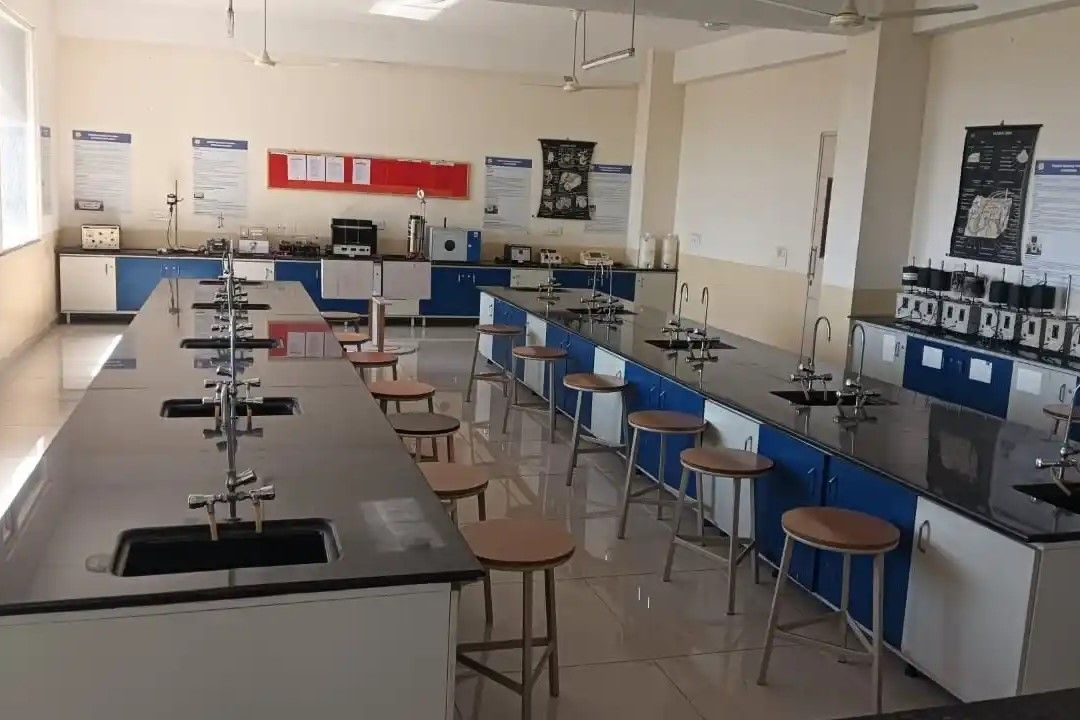
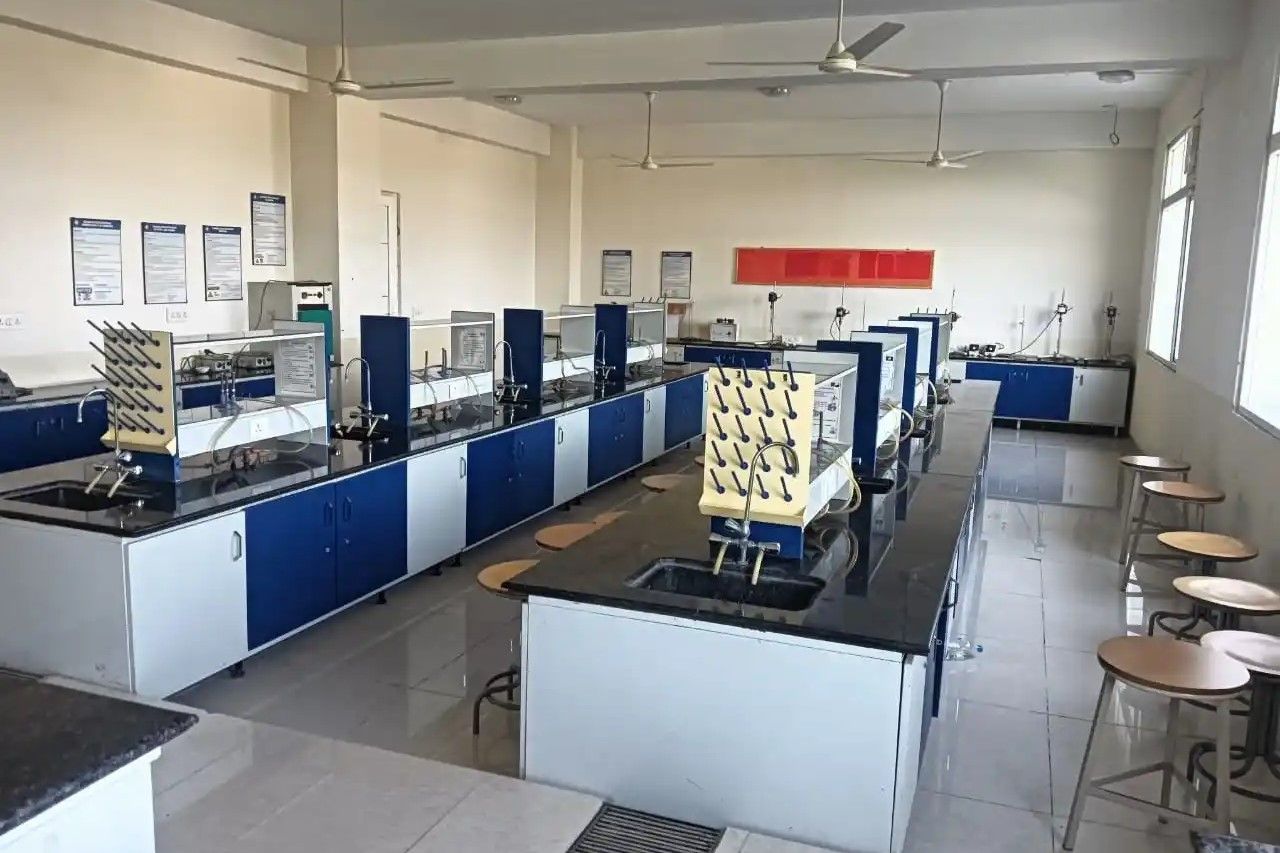
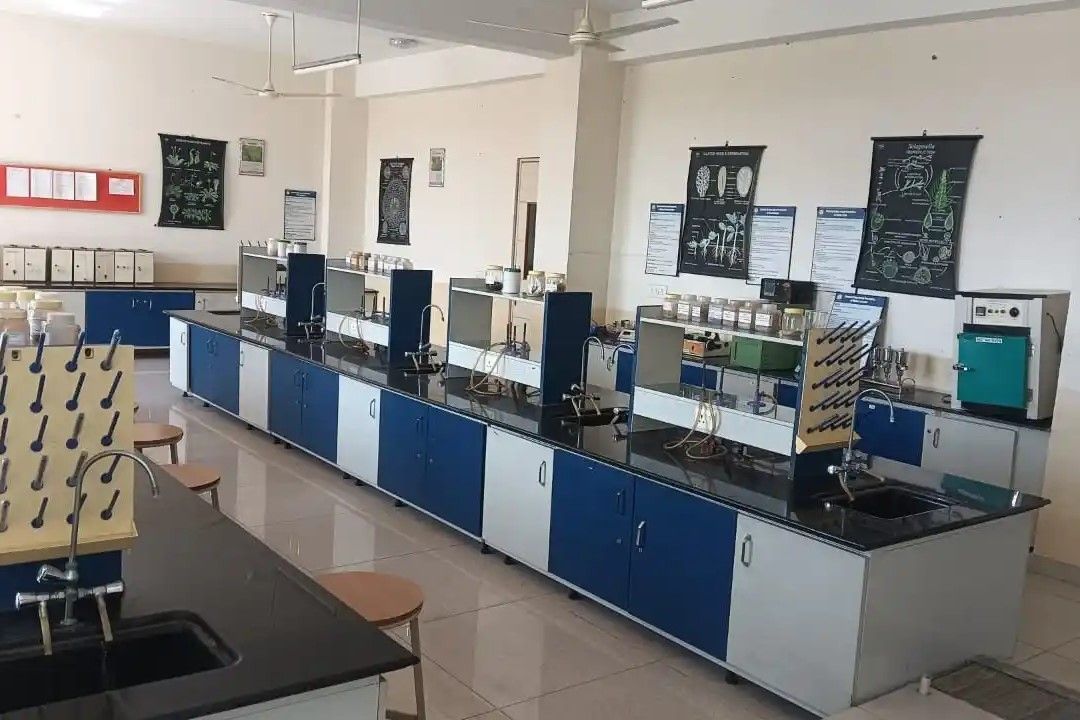
Labs and Facilities

Human Anatomy and Physiology Lab

Human Anatomy and Physiology Lab

Explore More
01
Pharmacology Lab

Pharmacology Lab

Explore More
02
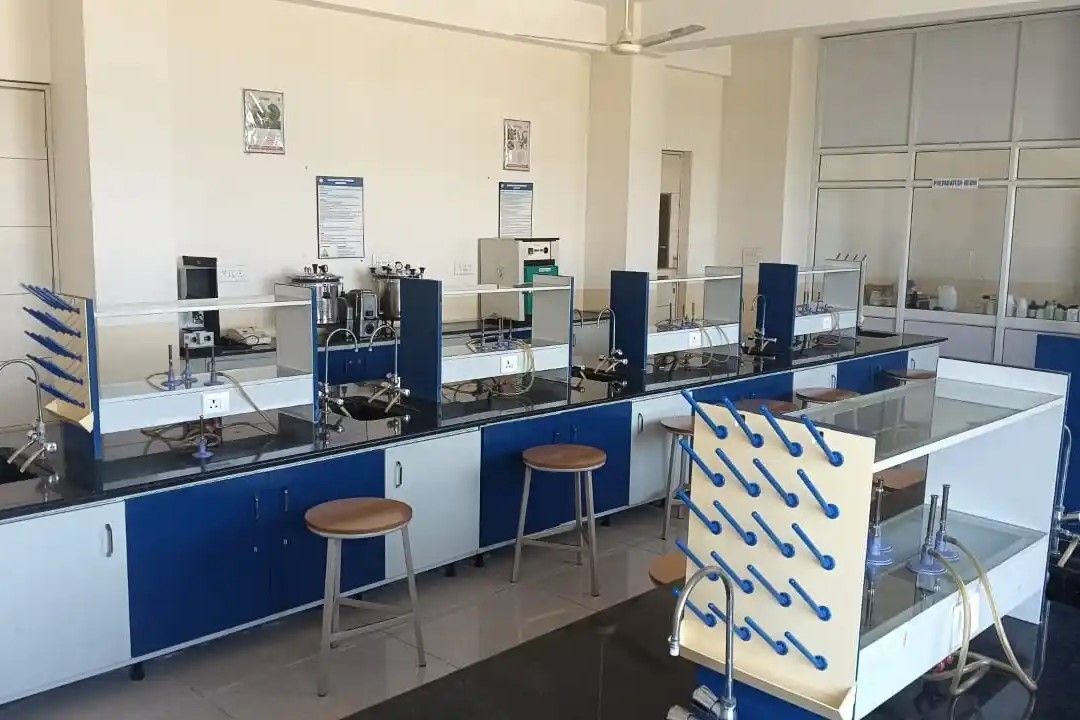
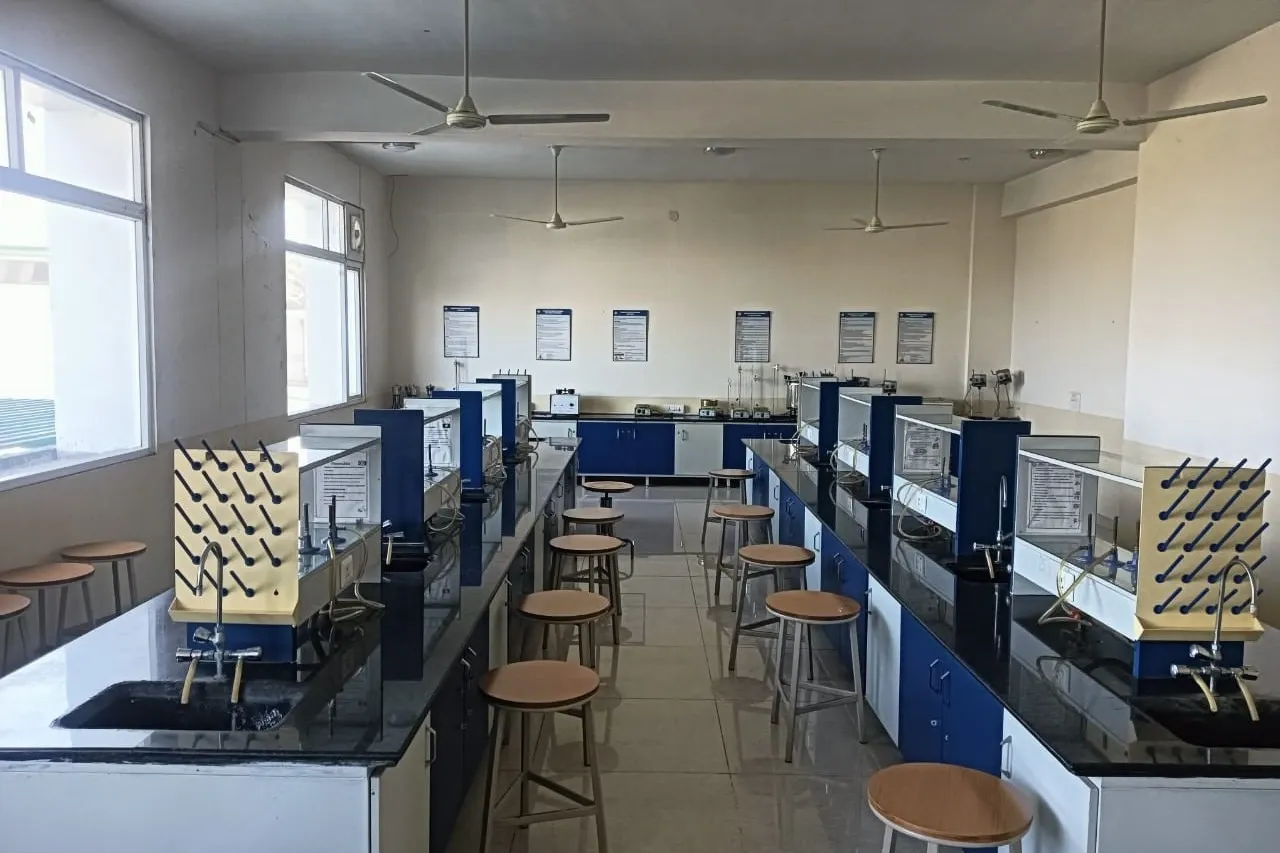
Pharmaceutical Chemistry Lab

Pharmaceutical Chemistry Lab

Explore More
03
Pharmacognosy Lab

Pharmacognosy Lab

Explore More
04
Pharmaceutical Biotechnology Lab

Pharmaceutical Biotechnology Lab

Explore More
05
Pharmaceutics Lab

Pharmaceutics Lab

Explore More
06

Backed by the Legacy of CT Group, Driven by Proven Success

30000+

Placements

800+

Collaborations

1.2Cr

Highest Placement

1800+

Recruiters

1 Lac+

Alumni

40Cr

WORTH SCHOLARSHIP

Hear From Our Students

"

School of pharmaceutical Sciences has world class facilities to give the best possible knowledge to all students.