Apply Now Programmes Virtual Tour CT-SET 2026 Ph.D
Admissions
Open 2026-27
Apply now
Apply Now
Home  /  Programmes  /  Master of Science in Clinical Psychology

Master of Science in Clinical Psychology

Duration: 2 Years Category: Postgraduate Programs

Programme Details

About the Programme

M.Sc in Clinical Psychology is an advanced postgraduate program that focuses on the scientific study and practical application of psychology within clinical settings. The curriculum covers advanced topics such as psychopathology, psychotherapy, psychological assessments and counseling interventions. Through theoretical coursework, supervised clinical practicum and research projects, students gain the knowledge and skills required to assess, diagnose and treat various mental health issues. The program prepares graduates for careers as clinical psychologists, allowing them to contribute to the mental health and well-being of individuals and communities.

Industry Immersion

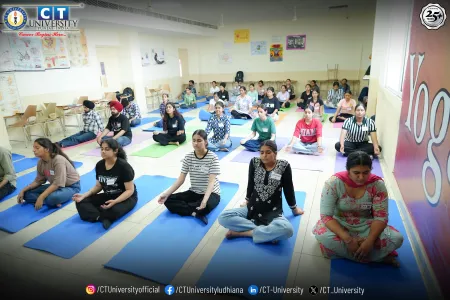
The industry immersion component of M.Sc Clinical Psychology involves supervised clinical placements or internships in mental health institutions, hospitals, counseling centers, or private practices. Students gain practical experience conducting psychological assessments, providing therapy and working with diverse clinical populations. This immersion allows them to apply theoretical knowledge, enhance their clinical skills and develop a deeper understanding of the ethical and professional considerations in the field of clinical psychology. It bridges the gap between academic learning and real-world practice, preparing graduates for the complexities of working in various mental health settings.

Eligibility Criteria

Graduation in any discipline from a recognized university with atleast 50% marks

Register Now

Why Choose CT University

Why CT University is the Right Choice for Your Future

CT University Campus

At CT University, we combine industry-integrated learning and global academic partnerships, backed by the CT Group's 30+ year legacy, to prepare students for careers that actually last.

Industry-oriented
learning

Modern campus
facilities

Academic excellence &
mentorship

Global opportunities &
placements

Fee Structure & Scholarships

Program Fee Details

Fee Type Amount
Programme Fees (per Semester) ₹50000
Examination Fees ₹3000
International Fee (USD) $3000

Course Curriculum

1ST SEMESTER SUBJECTS

Introduces the basic concepts, perspectives, approaches and major areas of psychology. Provides a foundation for understanding human behaviour and mental processes.
Course Outcome:
CO1: Define and explain fundamental concepts, perspectives and major approaches in psychology.
CO2: Describe major areas of psychology and their relevance to understanding human behaviour.
CO3: Explain basic psychological processes underlying human behaviour and mental functioning.
CO4: Differentiate major psychological perspectives using appropriate examples.
CO5: Apply foundational psychological concepts to simple behavioural and everyday situations.

Examines human development across the lifespan, including physical, cognitive, emotional and social development. Focuses on developmental theories, milestones and individual differences.
Course Outcome:
CO1: Explain major principles and theories of human development across the lifespan.
CO2: Describe physical, cognitive, emotional and social changes at different developmental stages.
CO3: Identify major developmental milestones and individual differences across the lifespan.
CO4: Compare major developmental theories and their applications.
CO5: Apply developmental concepts to understand variations in human growth and behaviour.

Explores cognitive processes such as attention, perception, memory, learning, language, thinking and problem-solving. Emphasizes contemporary approaches to understanding human cognition.
Course Outcome:
CO1: Explain major cognitive processes including attention, perception, memory, learning, language, thinking and problem-solving.
CO2: Describe contemporary theoretical approaches to human cognition.
CO3: Differentiate major cognitive processes and explain their interrelationships.
CO4: Analyze simple cognitive phenomena using concepts from cognitive psychology.
CO5: Apply cognitive principles to everyday and psychological contexts.

Examines the biological foundations of behaviour, including the brain, nervous system, hormones and neurotransmitters. Develops understanding of the relationship between biological processes and psychological functioning.
Course Outcome:
CO1: Describe the structure and functions of the brain and nervous system relevant to behaviour.
CO2: Explain the role of hormones and neurotransmitters in psychological functioning.
CO3: Identify biological mechanisms underlying major behavioural and emotional processes.
CO4: Relate brain functioning and physiological processes to observable behaviour.
CO5: Apply biological principles to understand psychological functioning and behavioural variations.

Introduces the principles, concepts and applications of psychological testing and measurement. Covers test construction, reliability, validity, administration, scoring and interpretation.
Course Outcome:
CO1: Explain fundamental concepts and principles of psychological testing and measurement.
CO2: Describe procedures for test construction, reliability, validity, administration and scoring.
CO3: Differentiate major types and applications of psychological tests.
CO4: Demonstrate appropriate procedures for administering and scoring basic psychological tests.
CO5: Interpret basic test results while considering reliability, validity and ethical requirements.
Departmental Elective-I

Provides an overview of major theories of personality, including psychodynamic, behavioural, cognitive, humanistic and trait approaches. Examines personality development and individual differences.
Course Outcome:
CO1: Explain major theories and approaches to personality.
CO2: Compare psychodynamic, behavioural, cognitive, humanistic and trait perspectives.
CO3: Describe factors involved in personality development and individual differences.
CO4: Analyze personality characteristics using appropriate theoretical perspectives.
CO5: Apply personality theories to understand individual behaviour and psychological functioning.

Provides opportunities for independent and technology-enabled learning through relevant online courses. Enhances subject knowledge and professional competencies through MOOCs.
Course Outcome:
CO1: Identify relevant online courses and digital resources for academic learning.
CO2: Demonstrate independent learning through technology-enabled educational platforms.
CO3: Acquire and integrate knowledge from selected MOOCs into the subject area.
CO4: Evaluate online learning resources for relevance and academic quality.
CO5: Demonstrate professional competencies through self-directed digital learning.

Introduces the psychological, emotional and social aspects of cancer and its treatment. Focuses on psychological assessment, coping, adjustment, counselling and psychosocial interventions.
Course Outcome:
CO1: Explain psychological, emotional and social dimensions of cancer and its treatment.
CO2: Describe common psychological responses, coping patterns and adjustment issues among individuals with cancer.
CO3: Identify psychological assessment and counselling needs in psycho-oncology.
CO4: Discuss psychosocial interventions relevant to cancer care.
CO5: Apply psycho-oncology concepts to formulate appropriate supportive and counselling approaches.

2ND SEMESTER SUBJECTS

Examines the relationship between brain functioning and behaviour, cognition and emotion. Introduces neuropsychological assessment and common neurological and cognitive disorders.
Course Outcome:
CO1: Explain relationships between brain functioning, cognition, emotion and behaviour.
CO2: Describe major neuropsychological functions and their neural correlates.
CO3: Identify common neurological and cognitive disorders relevant to clinical practice.
CO4: Explain the purpose and basic principles of neuropsychological assessment.
CO5: Apply neuropsychological concepts to understand clinical presentations involving brain dysfunction.

Provides an advanced understanding of clinical psychology, including assessment, diagnosis, case formulation and intervention. Emphasizes professional roles and evidence-based clinical practice.
Course Outcome:
CO1: Explain advanced concepts and professional functions within clinical psychology.
CO2: Describe procedures involved in clinical assessment and diagnosis.
CO3: Develop basic case formulations using relevant clinical information.
CO4: Differentiate evidence-based clinical intervention approaches for common psychological concerns.
CO5: Apply professional and ethical principles to clinical decision-making.

Introduces the nature, classification, causes, symptoms and clinical presentation of major psychological disorders. Develops understanding of psychopathology from contemporary clinical perspectives.
Course Outcome:
CO1: Define psychopathology and explain major systems of psychological disorder classification.
CO2: Describe the causes, symptoms and clinical presentation of major psychological disorders.
CO3: Differentiate major categories of psychological disorders using contemporary clinical perspectives.
CO4: Analyze clinical features relevant to the identification of psychological disorders.
CO5: Apply psychopathological concepts to basic clinical case descriptions.

Builds advanced knowledge and skills in psychological assessment and testing. Focuses on administration, scoring, interpretation and clinical application of standardized psychological tests.
Course Outcome:
CO1: Explain advanced principles of psychological assessment and standardized testing.
CO2: Demonstrate appropriate procedures for administration and scoring of psychological tests.
CO3: Interpret standardized test findings using relevant norms and guidelines.
CO4: Integrate test results with other assessment information for clinical understanding.
CO5: Prepare basic clinical assessment reports while maintaining professional and ethical standards.

Develops knowledge of scientific methods used in psychological research. Covers research designs, sampling, data collection, ethical considerations and basic approaches to data analysis.
Course Outcome:
CO1: Explain the principles and stages of scientific research in psychology.
CO2: Differentiate major research designs and sampling methods used in psychological research.
CO3: Describe appropriate methods of data collection in psychological studies.

CO4: Apply ethical principles to the planning and conduct of psychological research.
CO5: Interpret basic research findings using appropriate approaches to data analysis.

Provides practical experience in planning and conducting a psychological research project. Develops skills in literature review, data collection, analysis, interpretation and report writing.
Course Outcome:
CO1: Complete an independent research study in clinical psychology using an appropriate methodology.
CO2: Analyze and interpret research data in relation to the study objectives.

CO3: Integrate findings with relevant literature and theoretical perspectives.
CO4: Discuss research findings, implications, limitations and conclusions systematically.
CO5: Prepare and present a comprehensive dissertation report using appropriate academic standards.
Departmental Elective-II

Introduces the theory and application of psychological measurement and psychometric principles. Focuses on reliability, validity, norms, standardization and test evaluation.
Course Outcome:
CO1: Formulate a research problem and objectives relevant to psychological inquiry.
CO2: Conduct a focused literature review using appropriate academic sources.
CO3: Select suitable methods for data collection and analysis in a psychological research project.
CO4: Analyze and interpret research findings in relation to the research objectives.
CO5: Prepare a structured research report using appropriate academic and ethical standards.

Facilitates self-directed learning through relevant online courses and digital learning platforms. Enables students to broaden their academic and professional knowledge.
Course Outcome:
CO1: Identify relevant digital learning resources for continued academic development.
CO2: Demonstrate self-directed learning through selected online courses and platforms.
CO3: Integrate knowledge acquired through MOOCs with psychological concepts.
CO4: Evaluate digital learning materials for relevance and credibility.
CO5: Demonstrate enhanced academic and professional competencies through online learning.

Examines the psychological, biological and social factors associated with addictive behaviours. Covers substance-related and behavioural addictions, assessment, prevention and intervention.
Course Outcome:
CO1: Explain psychological, biological and social factors associated with addictive behaviours.
CO2: Differentiate substance-related and behavioural addictions.
CO3: Describe major risk and protective factors associated with addiction.
CO4: Identify basic approaches to assessment, prevention and intervention for addictive behaviours.
CO5: Apply addiction-related concepts to understand clinical and psychosocial case situations.

3RD SEMESTER SUBJECTS

Provides advanced understanding of psychological disorders, their clinical features, etiology, assessment and diagnosis. Emphasizes differential diagnosis and contemporary clinical perspectives.
Course Outcome:
CO1: Explain advanced concepts, classification and clinical features of psychological disorders.
CO2: Describe major etiological and maintaining factors associated with psychological disorders.
CO3: Differentiate psychological disorders using relevant clinical features and diagnostic considerations.
CO4: Analyze clinical information to support differential diagnosis.
CO5: Apply contemporary clinical perspectives to basic psychopathology case formulations.

Develops advanced research skills for clinical and psychological research. Covers research design, advanced methods, data interpretation, scientific writing and ethical research practices.
Course Outcome:
CO1: Explain advanced research designs and methodologies used in clinical psychology.
CO2: Select appropriate advanced methods for clinical and psychological research problems.
CO3: Analyze and interpret research data using suitable approaches.
CO4: Prepare scientific academic writing based on research findings and evidence.
CO5: Apply ethical principles throughout the design, analysis and reporting of research.

Develops competency in systematic psychological assessment using interviews, behavioural observations and standardized tools. Emphasizes clinical formulation, interpretation and report writing.
Course Outcome:
CO1: Explain the purpose and stages of systematic psychological assessment.
CO2: Demonstrate appropriate use of clinical interviews and behavioural observation.
CO3: Select standardized assessment tools appropriate to clinical referral questions.
CO4: Integrate assessment findings to develop a preliminary clinical formulation.
CO5: Prepare clear and professional psychological assessment reports.

Introduces evidence-based psychological interventions used in clinical settings. Covers therapeutic approaches, treatment planning, counselling skills and intervention strategies for diverse clinical concerns.
Course Outcome:
CO1: Explain major evidence-based psychological intervention approaches used in clinical settings.
CO2: Identify appropriate therapeutic strategies for diverse clinical concerns.
CO3: Develop basic treatment plans based on assessment and clinical formulation.
CO4: Demonstrate fundamental counselling and therapeutic communication skills.
CO5: Apply evidence-based intervention principles ethically and appropriately in clinical contexts.

Provides advanced training in the administration and interpretation of psychological tests. Emphasizes clinical application, integration of test findings and professional reporting.
Course Outcome:
CO1: Explain advanced principles of psychological test administration and interpretation.
CO2: Demonstrate competent procedures for administering selected psychological tests.
CO3: Interpret and integrate findings from multiple psychological assessment tools.
CO4: Relate test findings to clinical questions and case formulation.
CO5: Prepare professional psychological test reports while maintaining ethical standards.

Introduces students to systematic research in clinical psychology through development of a dissertation proposal. Focuses on literature review, methodology, research planning and ethical considerations.
Course Outcome:
CO1: Formulate a clinically relevant dissertation problem and research objectives.
CO2: Conduct and synthesize a comprehensive literature review.
CO3: Develop an appropriate research methodology consistent with the dissertation objectives.
CO4: Address ethical considerations in planning and conducting dissertation research.
CO5: Prepare and present a structured dissertation proposal.

Examines psychological and behavioural disorders occurring during childhood and adolescence. Covers developmental perspectives, assessment, clinical features and major approaches to intervention.
Course Outcome:
CO1: Understand and articulate the professional roles, ethical responsibilities and boundaries of a clinical psychologist in various practice settings.
CO2: Develop essential communication and interpersonal skills required for effective client interaction, teamwork and interdisciplinary collaboration.
CO3: Demonstrate basic competencies in report writing, case documentation and maintaining professional records as per ethical guidelines.
CO4: Apply self-reflection and self-care strategies to manage stress, prevent burnout and build professional resilience.
CO5: Exhibit awareness of legal and ethical frameworks (e.g., informed consent, confidentiality, RCI guidelines) governing clinical psychology practice.
CO6: Cultivate soft skills such as active listening, empathy, time management and professional etiquette essential for internships and fieldwork.
Departmental Elective-III

Provides advanced understanding of psychological disorders, their clinical features, etiology, assessment and diagnosis. Emphasizes differential diagnosis and contemporary clinical perspectives.
Course Outcome:
CO1: Explain the role of multicultural factors in psychological assessment and intervention.
CO2: Identify cultural variables that may influence psychological functioning and help-seeking.
CO3: Demonstrate culturally sensitive therapeutic communication skills.
CO4: Adapt basic therapeutic strategies to diverse cultural contexts.
CO5: Apply multicultural principles ethically in clinical interactions and case formulation.

Develops advanced research skills for clinical and psychological research. Covers research design, advanced methods, data interpretation, scientific writing and ethical research practices.
Course Outcome:
CO1: Explain major ethical principles governing professional practice in clinical psychology.
CO2: Identify ethical issues related to assessment, intervention, research and confidentiality.
CO3: Analyze common professional dilemmas using relevant ethical principles.
CO4: Demonstrate appropriate professional boundaries and responsible decision-making.
CO5: Apply ethical standards to clinical, research and professional situations.

Develops competency in systematic psychological assessment using interviews, behavioural observations and standardized tools. Emphasizes clinical formulation, interpretation and report writing.
Course Outcome:
CO1: Explain major psychological and behavioural disorders occurring during childhood and adolescence.
CO2: Describe developmental perspectives, clinical features and risk factors associated with child psychopathology.
CO3: Identify appropriate assessment approaches for psychological difficulties in children and adolescents.
CO4: Differentiate common childhood and adolescent disorders based on clinical presentation.
CO5: Discuss major evidence-based approaches to intervention for child and adolescent psychological disorders.

4TH SEMESTER SUBJECTS

Enables students to complete an independent research study in clinical psychology. Focuses on data analysis, interpretation, discussion, documentation and presentation of research findings.
Course Outcome:
CO1: Complete an independent research study in clinical psychology using an appropriate methodology.
CO2: Analyze and interpret research data in relation to the study objectives.
CO3: Integrate findings with relevant literature and theoretical perspectives.
CO4: Discuss research findings, implications, limitations and conclusions systematically.
CO5: Prepare and present a comprehensive dissertation report using appropriate academic standards.

Provides supervised practical exposure to clinical settings and professional psychological practice. Develops competencies in assessment, case documentation, intervention, ethics and professional conduct.
Course Outcome:
CO1: Demonstrate professional competencies in supervised clinical settings.
CO2: Conduct psychological assessment and maintain appropriate clinical documentation under supervision.
CO3: Apply basic psychological intervention and counselling skills appropriately.
CO4: Demonstrate ethical behaviour, professional conduct and respect for client confidentiality.
CO5: Integrate theoretical knowledge with supervised clinical practice across relevant clinical situations.

Labs and Facilities

Yoga Lab

Yoga Lab

Explore More
01
Journalism Studio

Journalism Studio

Explore More
02
Maharaja Ranjit Singh Museum of History, Culture, and Archaeology

Maharaja Ranjit Singh Museum of History, Culture, and Archaeology

Explore More
03

Backed by the Legacy of CT Group, Driven by Proven Success

30000+

Placements

800+

Collaborations

1.2Cr

Highest Placement

1800+

Recruiters

1 Lac+

Alumni

40Cr

WORTH SCHOLARSHIP

Hear From Our Students

"

My journey from being a psychology student to becoming a Counselor with Doctors Without Borders has been both challenging and deeply rewarding. During my academic years, I built a strong foundation in psychology, developing skills in empathy, communication, and problem-solving that prepared me to work in real-world mental health settings.

"

My academic journey at CT University has been both inspiring and transformative. I began with my Bachelor’s degree in Psychology, where I built a strong foundation of knowledge and critical thinking. I then pursued my Master’s degree in Psychology, which deepened my understanding, enhanced my research skills, and gave me the opportunity to actively engage in academic projects, seminars, and collaborative initiatives.

"

My academic journey at CT University from 2021 to 2023 has been an incredibly enriching experience, filled with growth, learning, and inspiration. I am deeply grateful for the guidance and support I received from my mentors, which shaped both my academic and personal development.

"

As an alumna of the BA (Hons.) Psychology program at CT University, my academic journey has been truly transformative. The curriculum was practical, research-driven, and holistic, helping me gain not just strong subject knowledge but also the confidence and real-world skills to excel in my career.

"

It has been a blessing to learn from the qualified and dedicated faculty of our department who take extra pains to impart right skills and knowledge to all the students.

"

It has been a great experience of learning in CTU.CT University is an ideal place for students to realize his/her goals. School of humanities and Physical education has all the required infrastructure to enrich the facilities that grow the students.